Inspiration or Emotion: What Flows Into My Canvas?

“Without craftsmanship, inspiration is a mere reed shaken in the wind. ” – Johannes Brahms

You might remember in my last post, I shared a painting I was not quite sure was finished.
Well — good news: it is done.

I was so excited I showed it to my other half right away. He looked at it thoughtfully and asked:
“Where do your ideas come from

I paused.
And then I said, “I am not sure.”

Is it inspiration?
Is it emotion?
The truth is — it is both.
And neither.
And sometimes something else entirely.

When I stand in front of a blank canvas, I rarely know what is going to come out.

Some days, it starts with a spark. It could be a colour I cannot stop thinking about. It might be a pattern from nature. Sometimes, it’s a line of poetry that lingers in my mind.

Other days, I paint because there is something heavy sitting on my chest. I do not know how else to let it out.

Inspiration: The Whisper

Inspiration is soft. It is a whisper at the back of my mind.
It might be the texture of rust on an old fence.
A fleeting dream.
A shadow on the wall that looks like a bird.

These things do not shout. They just tap me on the shoulder and say,
“Hey… look.”

I do not always follow those whispers. But when I do, they lead me somewhere unexpected.

Emotion: The Flood

Emotion is different.
It crashes. It pours.

Sometimes it is joy, and the brush dances.
Sometimes it is grief, and the paint goes on thick and dark.
Anger shows up as ripped edges and bold, slashing marks.
Hope glows in soft glazes and warm tones.

I have learnt to stop judging what shows up.
If I try to paint “nicely”, the piece falls flat.
But when I let myself feel, the canvas comes alive.

The Blend

Inspiration and emotion are threads — and painting is how I weave them together.
It is not always clear what is driving the piece until I am halfway through — or finished.
And even then, I might not be able to explain it.

And maybe that is the point.
Maybe art does not need to explain itself.
Maybe it just needs to exist — like a feeling you do not have words for yet.

So, what flows into my canvas?

Everything.
My thoughts.
My moods.
What I saw on a walk.
A colour I dreamed about.
A story I have not told out

Some days it is inspiration.
Some days it is emotion.
Most days, it is a little bit of my soul.

Sometimes, I wish I were “talented” enough to paint something more substantial — something “real”.
I cannot draw or paint realistic flowers. I struggle with trees and the kinds of things that sit neatly in a textbook. So I have let go of that.

Whatever I see — whatever moves me or catches my eye — I abstract it.
I let it influence me. I let it speak through colour, texture, and movement.

That is how I make sense of the world. That is how it flows onto the canvas.

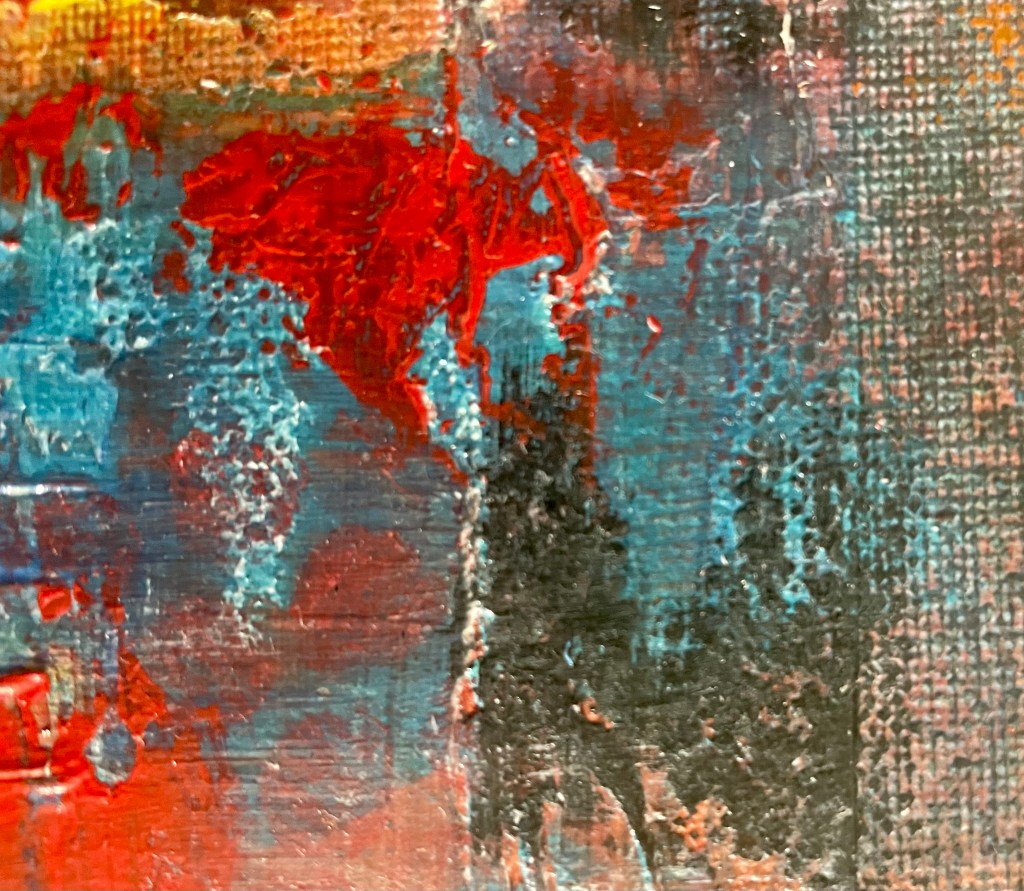
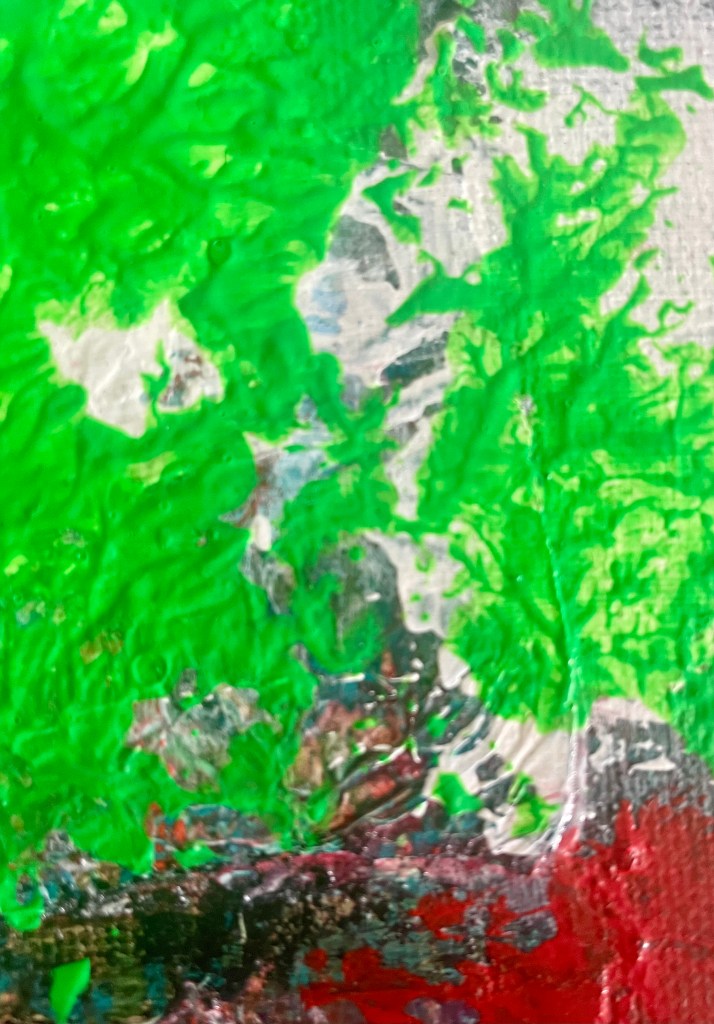
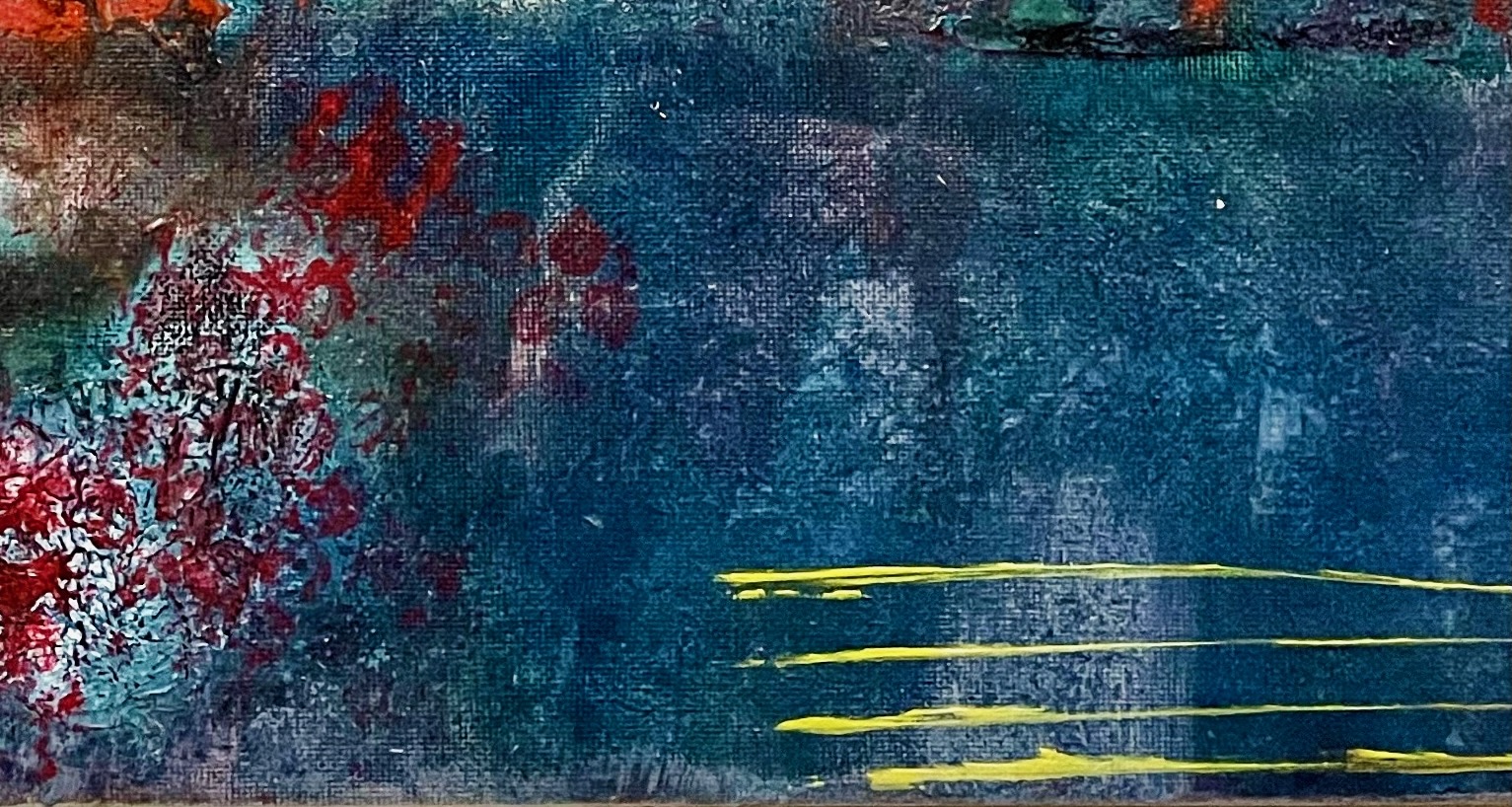
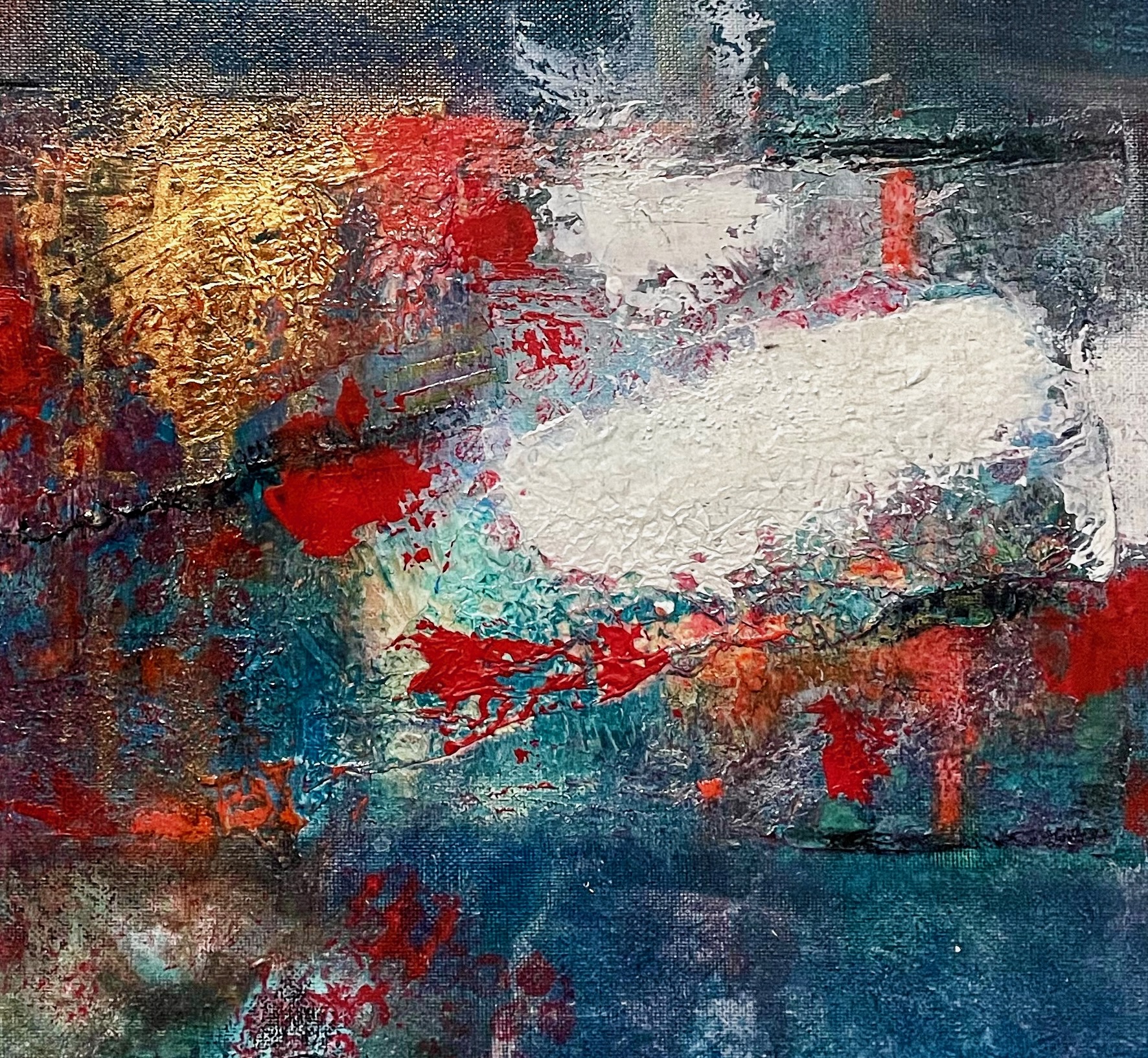
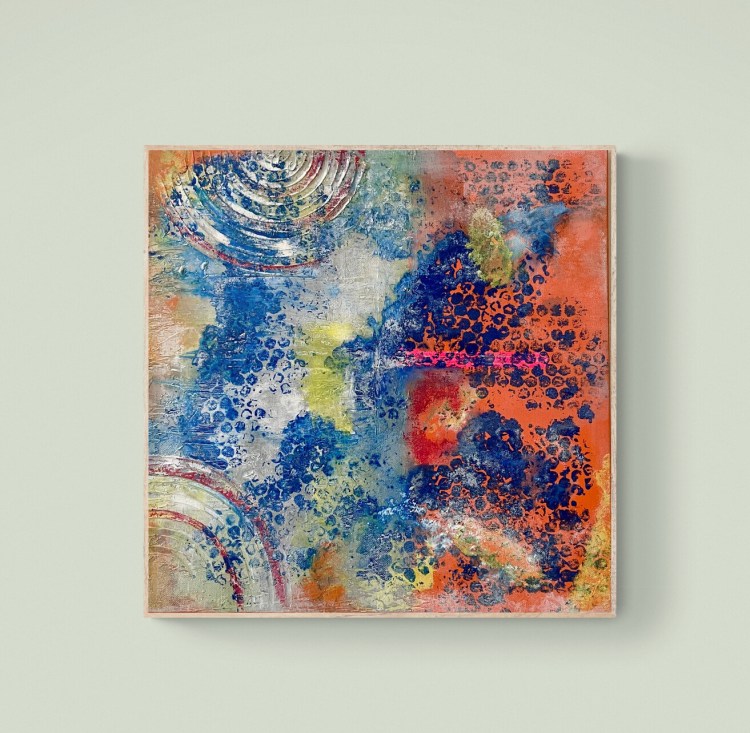
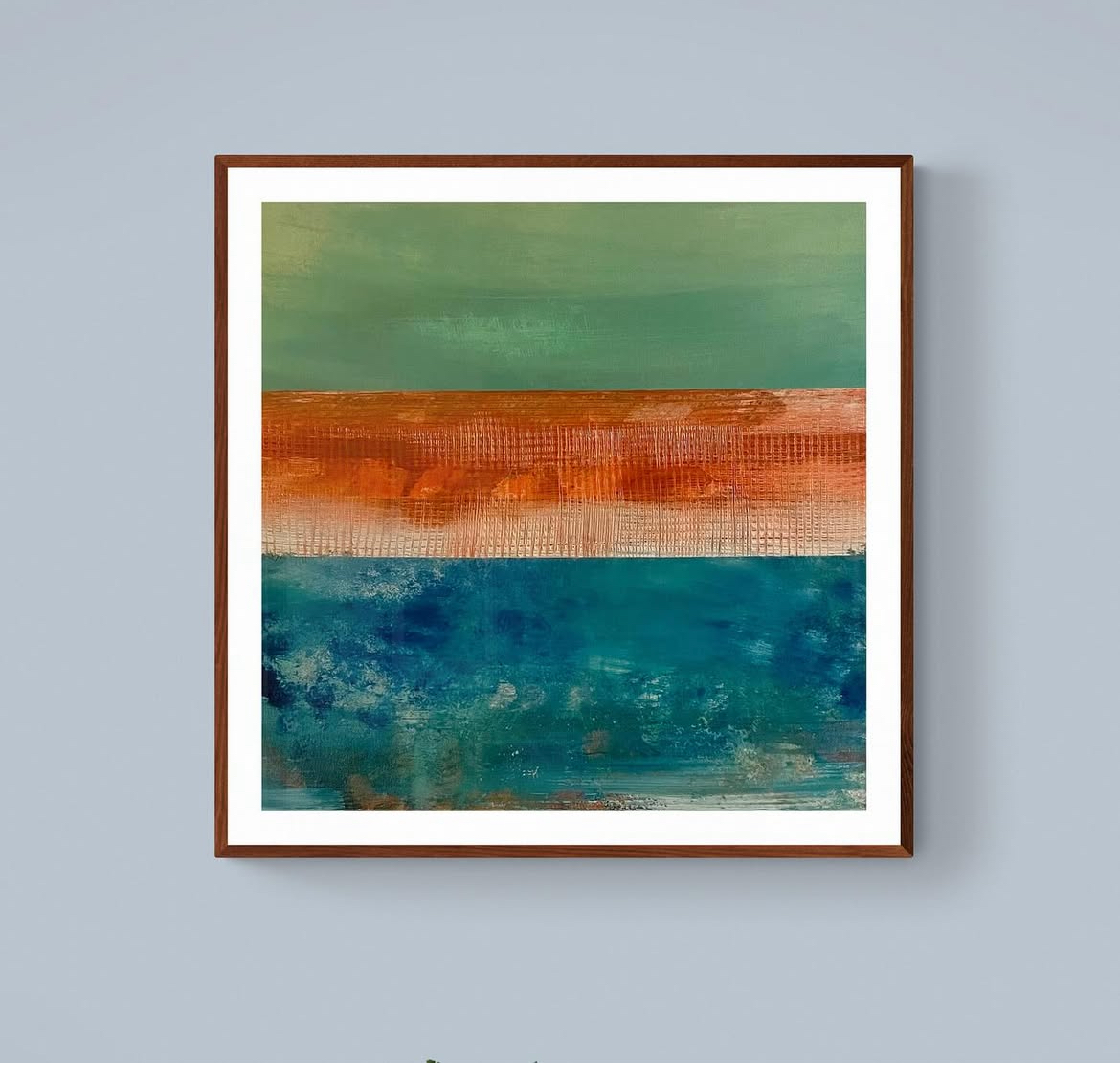
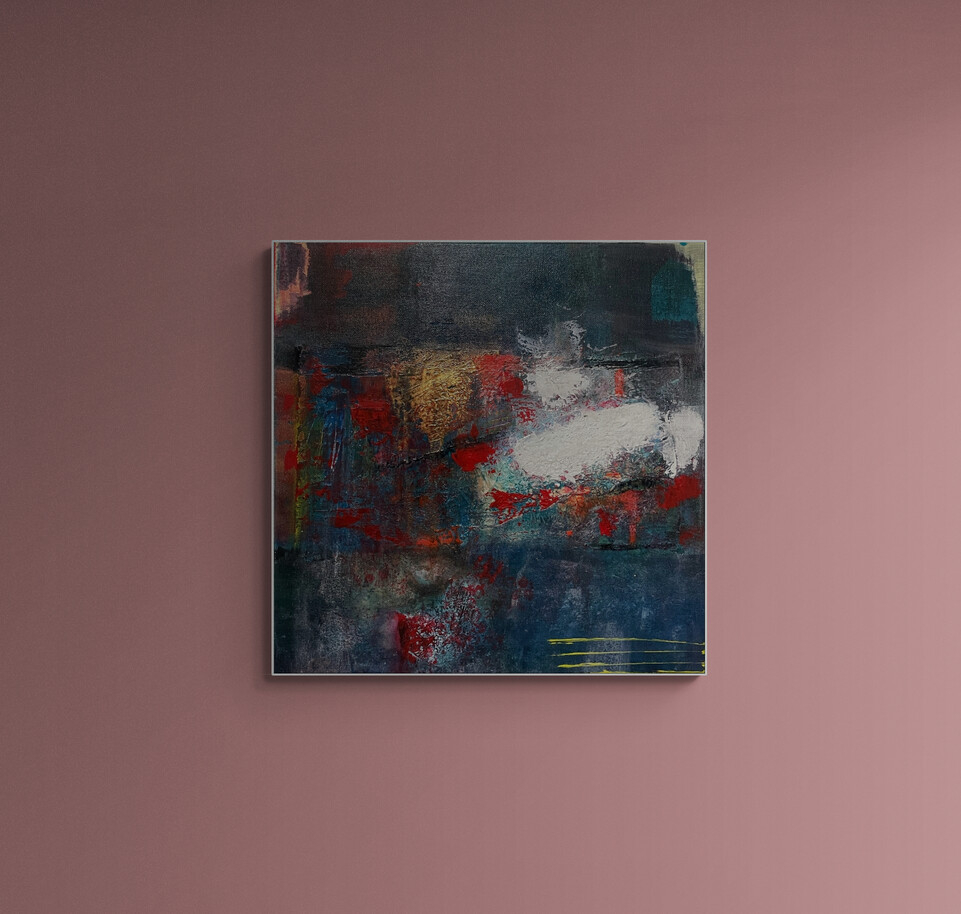
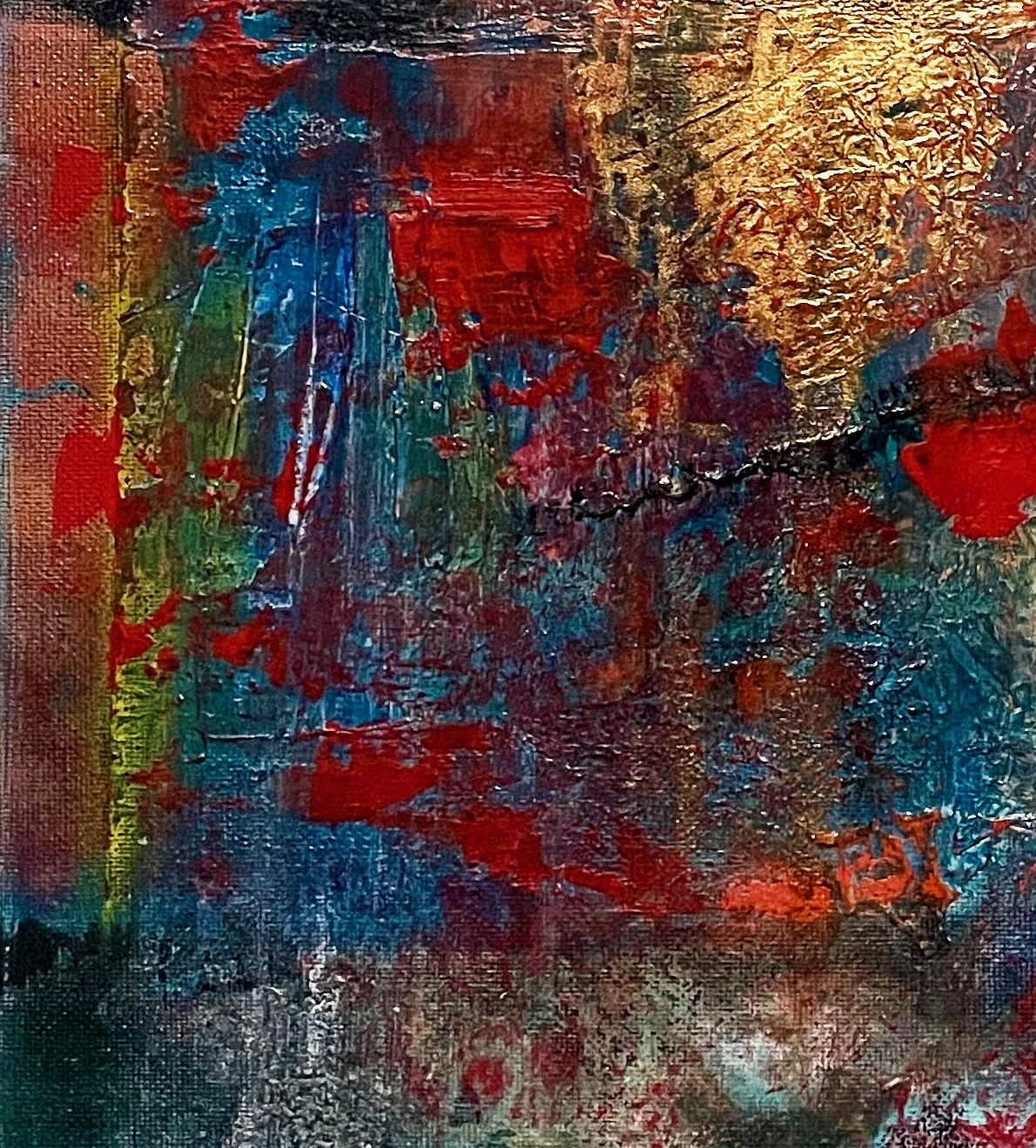
I have included a photo of my finished canvas below.
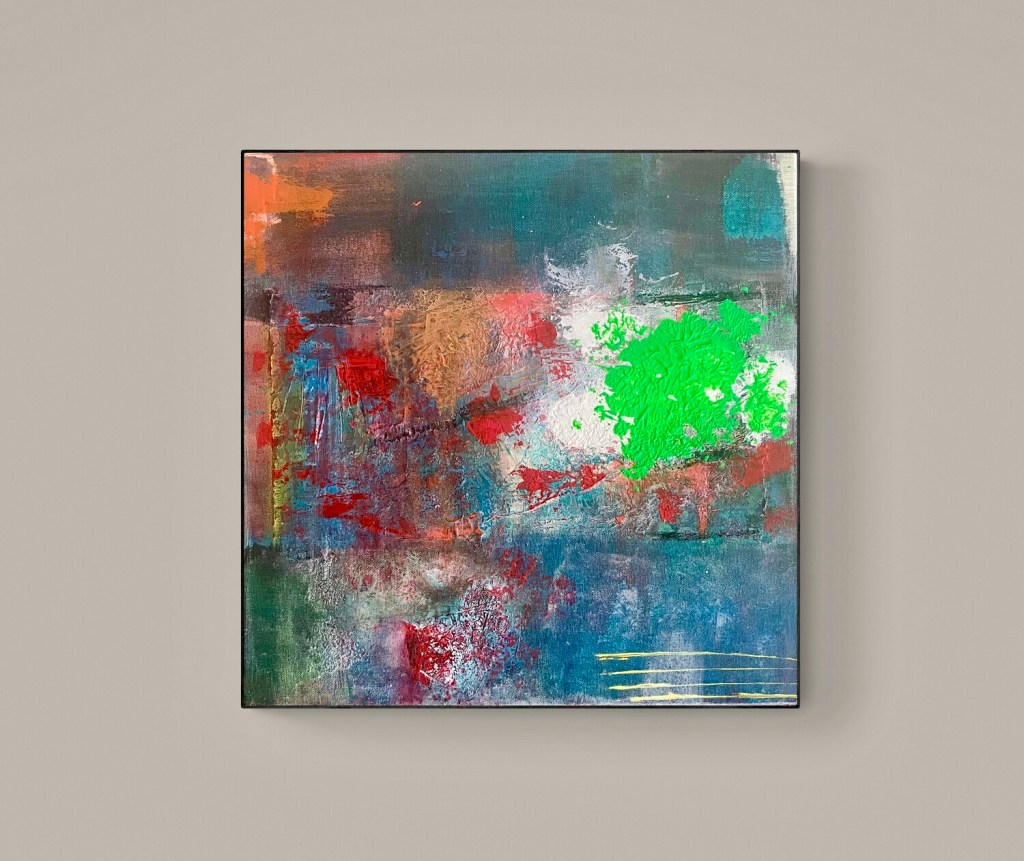
No Name, 2025, 40x40cm, mixed media on canvas

It was just small tweak in the end – but I think it was the one thing that was missing.

What do you think?
Does your creativity come from a quiet whisper, a rush of feeling — or both?
I would love to hear how inspiration and emotion move through your own creative process.

Let us start a conversation. After all, that is what art is too — a dialogue, a connection, a shared moment between souls.
https://www.instagram.com/kitty_kitkatart/

When Is a Painting Truly Finished?

In art, the hand can never execute anything higher than the heart can imagine.” – Ralph Waldo Emerson

When Is a Painting Done?

Now that is a vital question. One that has been sitting with me a lot lately.

When is a painting actually finished?

Is it up to me to decide? Should I let someone else tell me when it is complete? Or is it the painting itself that lets me know?

I have come to believe it is the latter: the painting tells me.


Listening to the Work

There is a point in the creative process—sometimes early, sometimes painfully late—when the work seems to whisper,
“Enough. I am done.”

Other times, it stays quiet. Unsettled. It does not quite let go. In those moments, I know I am not there yet. It doesn’t matter how much time or energy I have already poured in.

Right now, I am sitting with a canvas I have been working on for quite some time. I have returned to it again and again—trying new things, changing direction, layering, covering up, starting over in places. And yet… it still feels incomplete.

Something is missing, but I can’t quite name what that is yet.


The Waiting Game

So for now, I have placed it in a space where I pass by it often. I see it daily, sometimes several times a day. I catch it out of the corner of my eye. I pause for a few seconds. I let it sit with me.

I am waiting for that subtle pull. That intuitive nudge that says: Now.

I have tried pushing it before. Forcing the finish. But that never works—it ends in frustration or detachment. And honestly, that is okay. I have learned to let it take the time it needs.

Creativity does not work on a strict schedule.
Inspiration does not respond to impatience.


The Beauty of Not Knowing

There is something strangely beautiful about this part of the process. It teaches patience. It humbles me. It reminds me that art is not just about the outcome—but about the relationship I build with the work itself.

The canvas becomes a quiet companion. It reflects not only color and texture. It also mirrors pieces of my own inner world. This happens sometimes even before I am fully aware of what is going on inside me.

I have included a photo of said canvas below. I am sure it is just a small adjustment it is waiting for. I am usually very conscious not to overwork a piece. But for now, I am simply sitting with it. Watching. Listening.


Until Then…

So no, I do not know when this painting will be done.
But I trust that I will know.
The painting will tell me—when it is ready.

Until then, I wait.
I listen.
I keep showing up.


Over to You…

Have you ever felt this with your own work—creative or otherwise? That quiet moment of knowing… or the restless space of waiting?

I would love to hear how you recognise when something is truly finished. Alternatively, how do you sit with the unknown in the meantime? Feel free to share your thoughts in the comments. Let us inspire and learn from each other.

Until then, may your own process be kind to you.
And may your art, whatever form it takes, speak back when the time is right.

Thank you for stooping by

Kat

https://www.instagram.com/kitty_kitkatart/

Tasmania, you have done it again – A Journey of Beauty and Inspiration

“Travelling – it leaves you speechless, then turns you into a storyteller.” – Ibn Battuta

It’s no secret that exploring is a passion of mine. Honestly, there is much beauty in this world just waiting to be discovered.,

Last year, I was fortunate enough to visit Tasmania for the first time, and it completely stole my heart. A year later I returned for another memorable visit. Now, I sit at the Airport lounge waiting for my flight back to the mainland. I feel I need to put some thoughts into words.

There is something about this island that gently stirs my creativity. The landscapes, the colours, the people—everything about Tassie (Australia’s affectionate nickname for Tasmania) feels calming and, in a way, healing. It is a place that invites you to breathe more deeply, look more closely, and feel more fully.

As an artist, I often wish I could capture everything I see on a canvas. But some moments are simply too vast, too fleeting. So I hold onto them through photos. This time, I chose not to bring my camera. I opted for comfort and ease. Still, I found myself missing it more than once. My phone does a great job, no doubt, but there is something truly special about shooting with a camera. The process of composing a frame, working with natural light, and slowing down to notice the little details is a deeply rewarding experience.

It is never just about the equipment—it is about the subject, the connection, and the feeling. And Tasmania? Tasmania is the dream theme. Everywhere you look, there is beauty: rugged, wild, untamed, compact, and absolutely stunning.

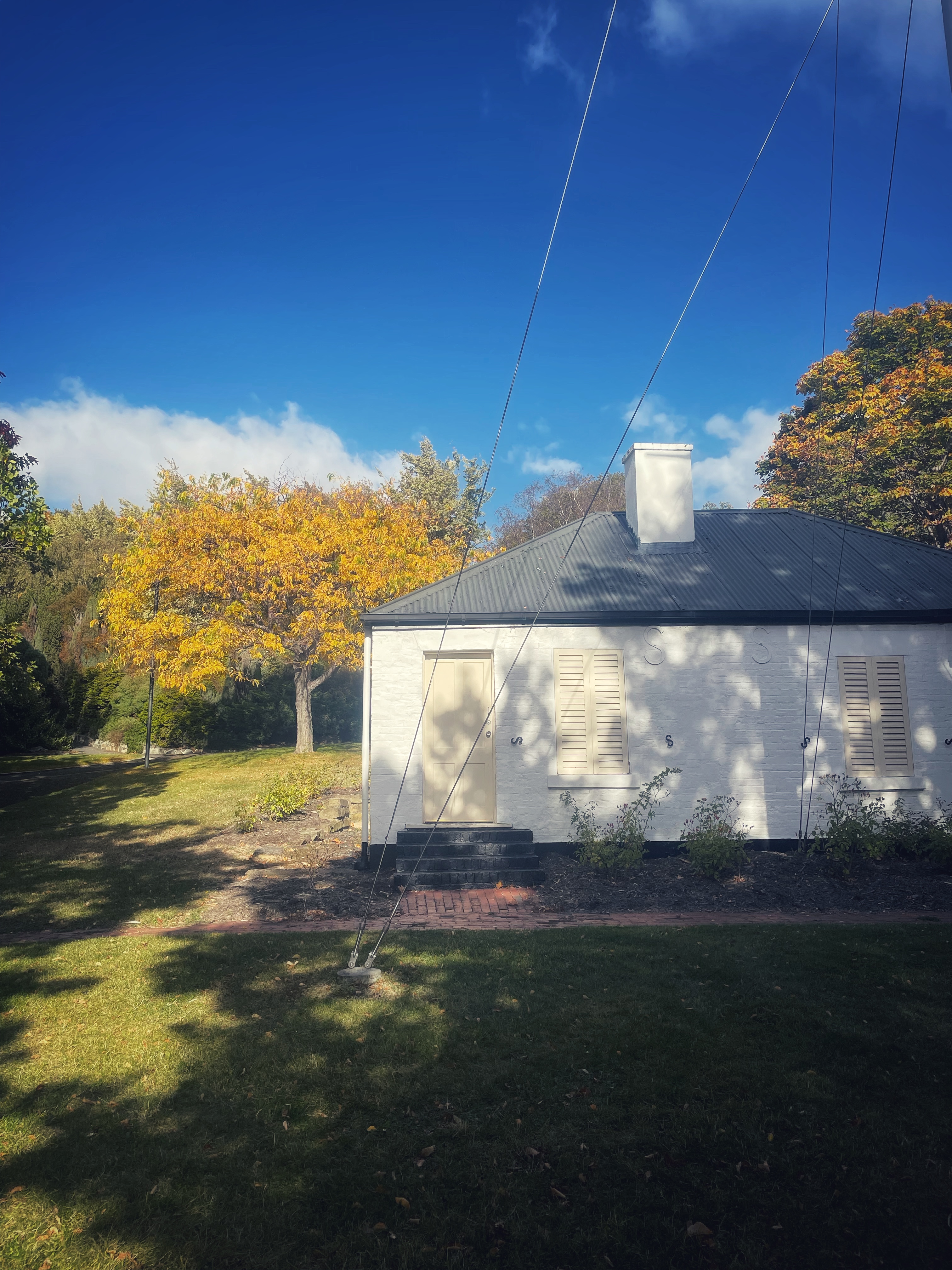
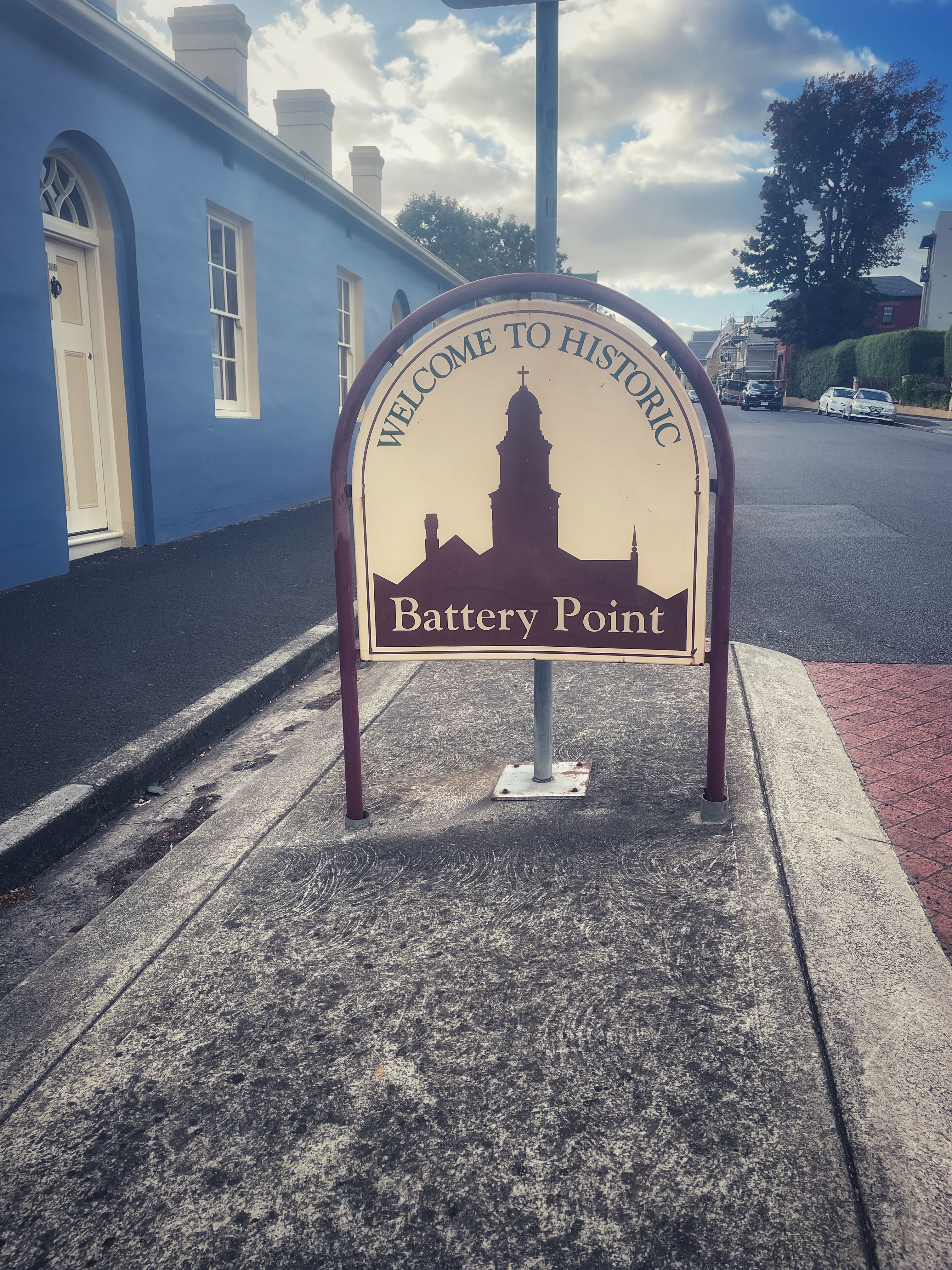
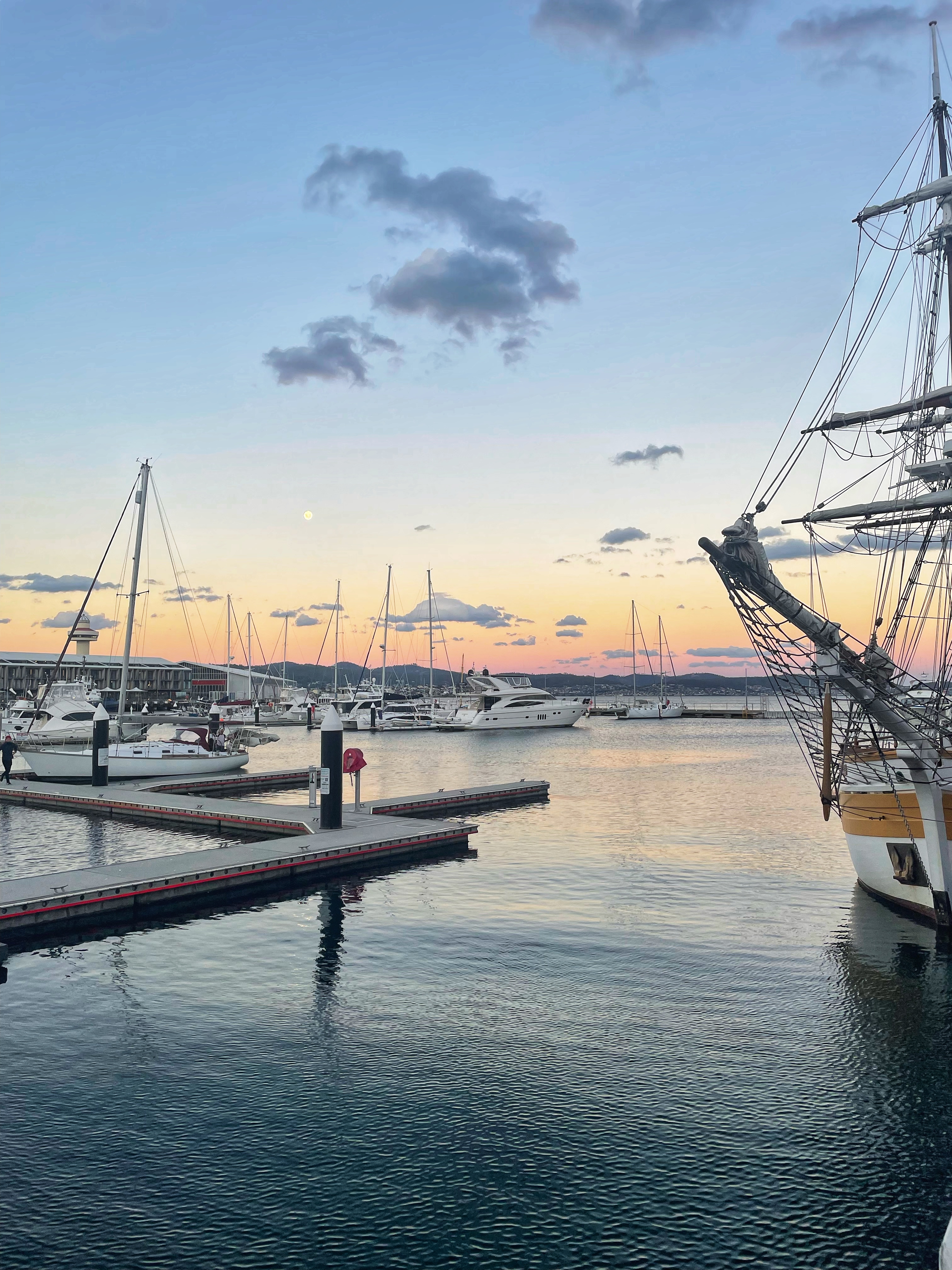
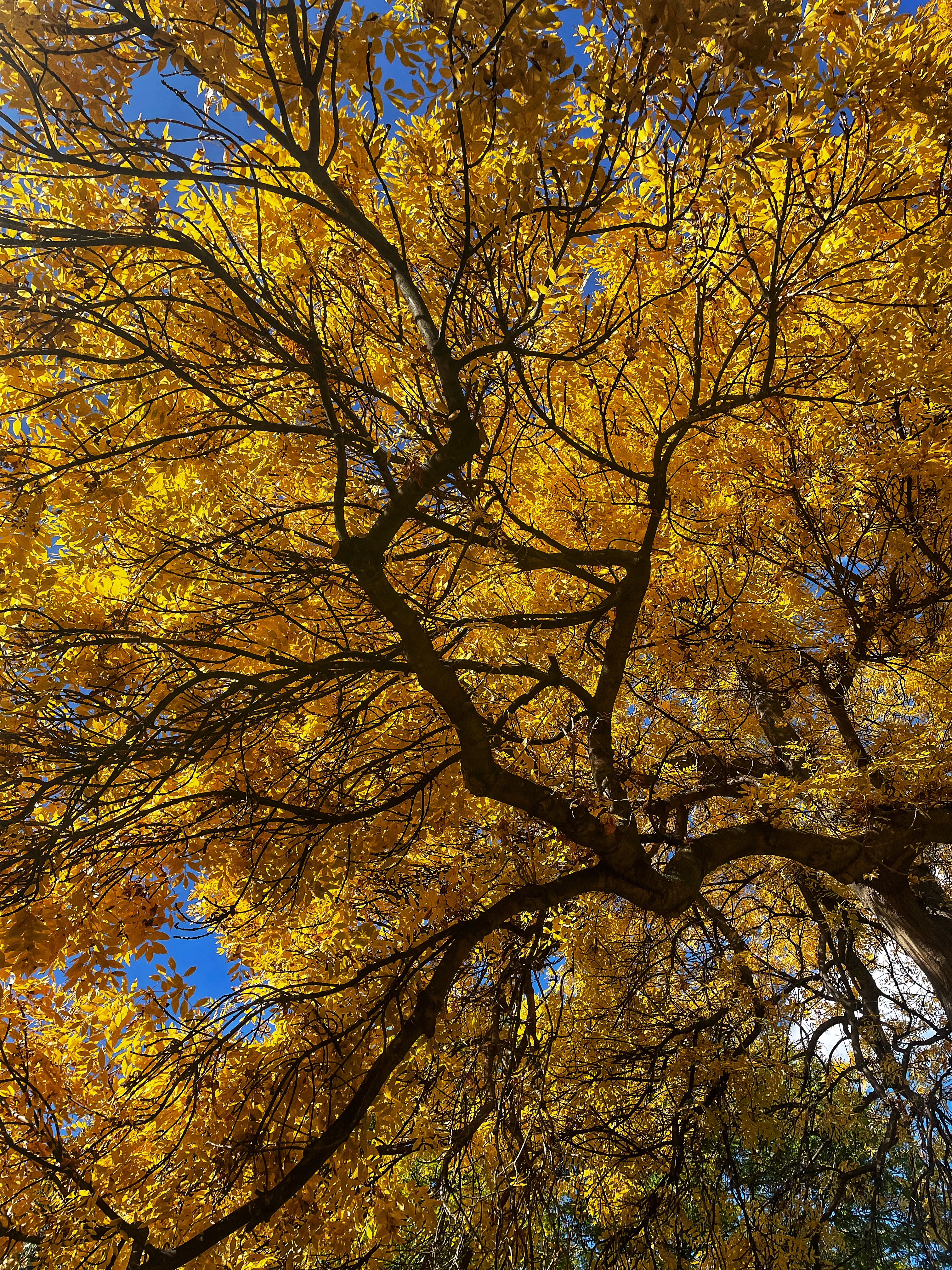
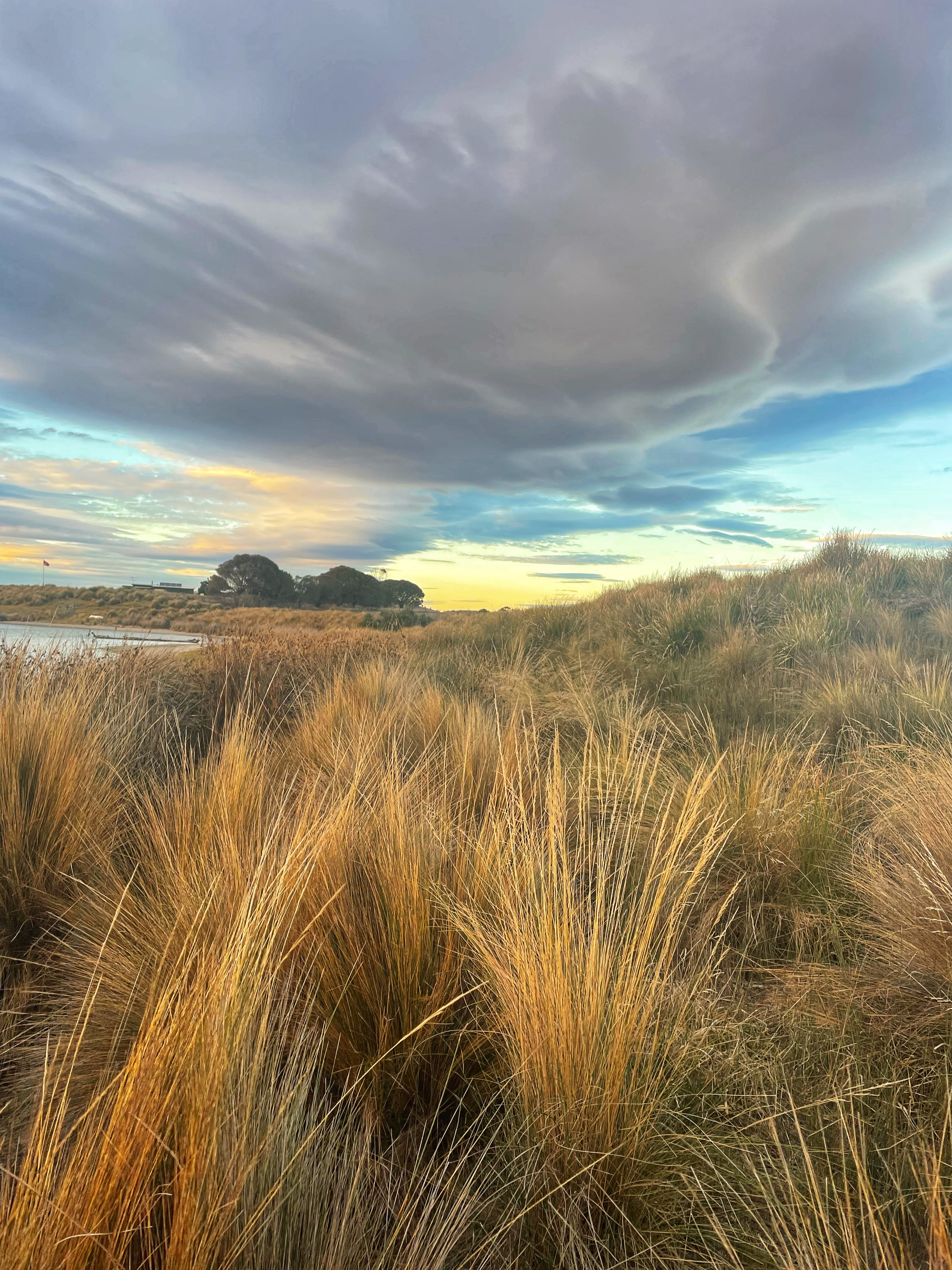
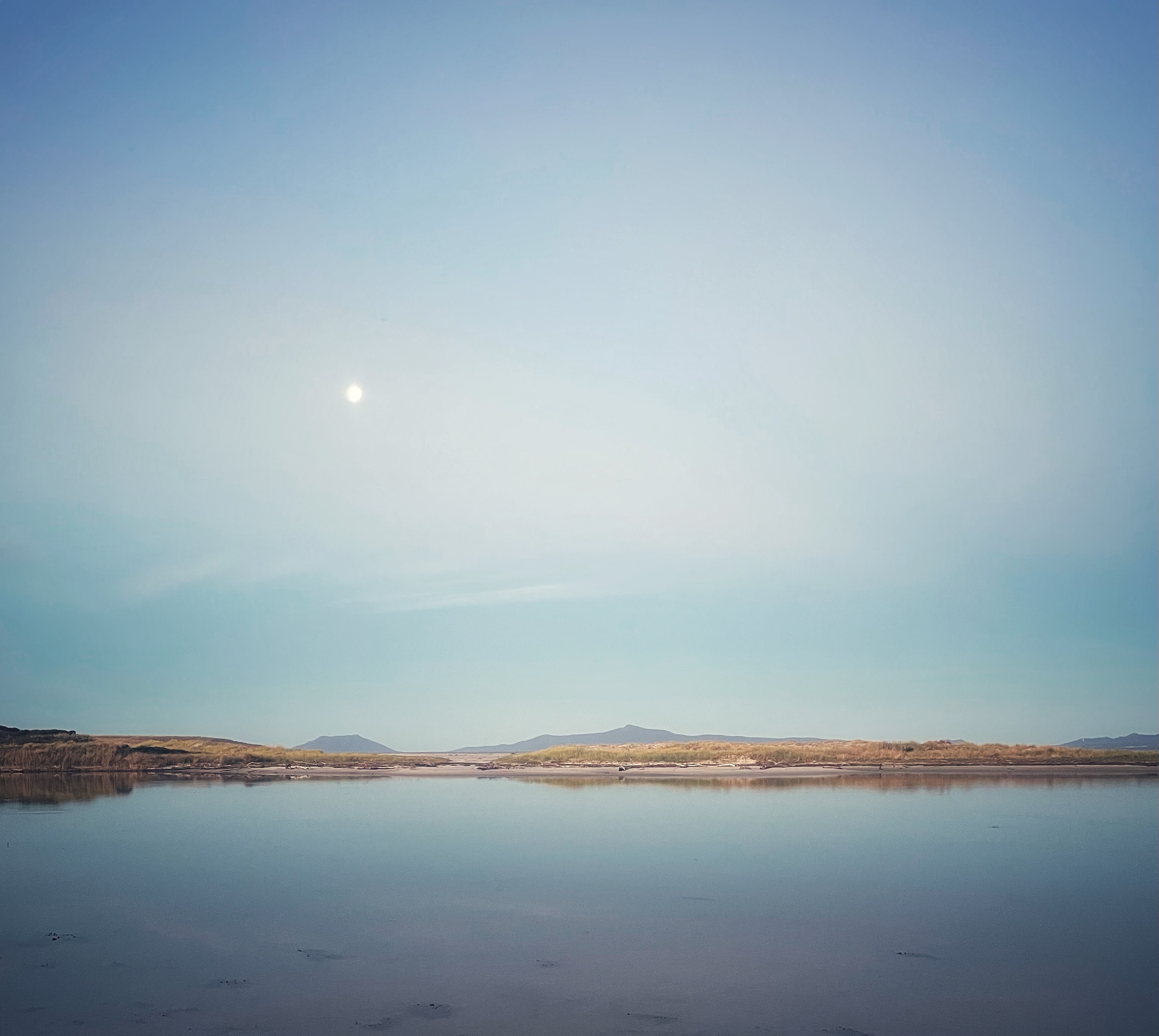
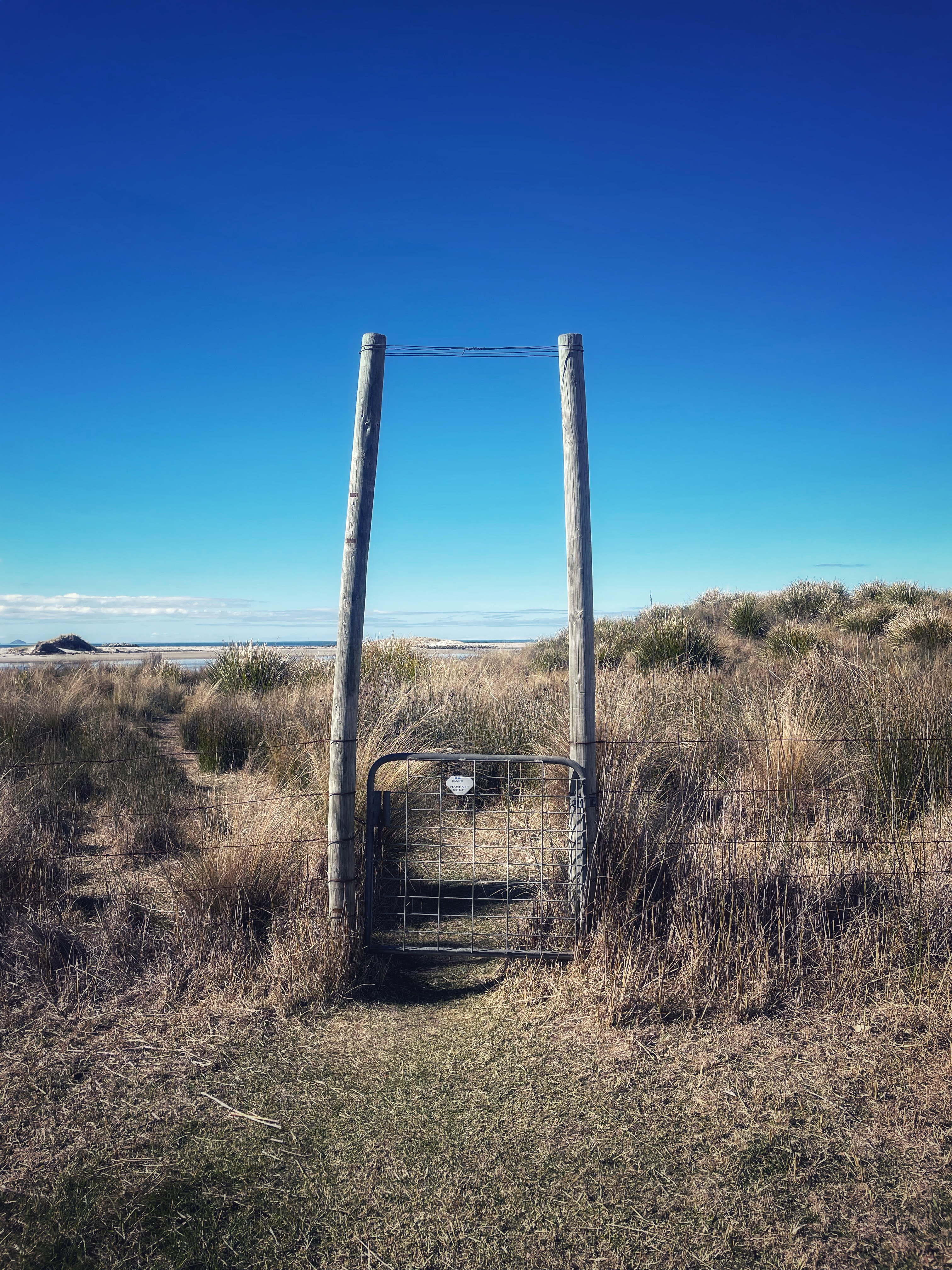
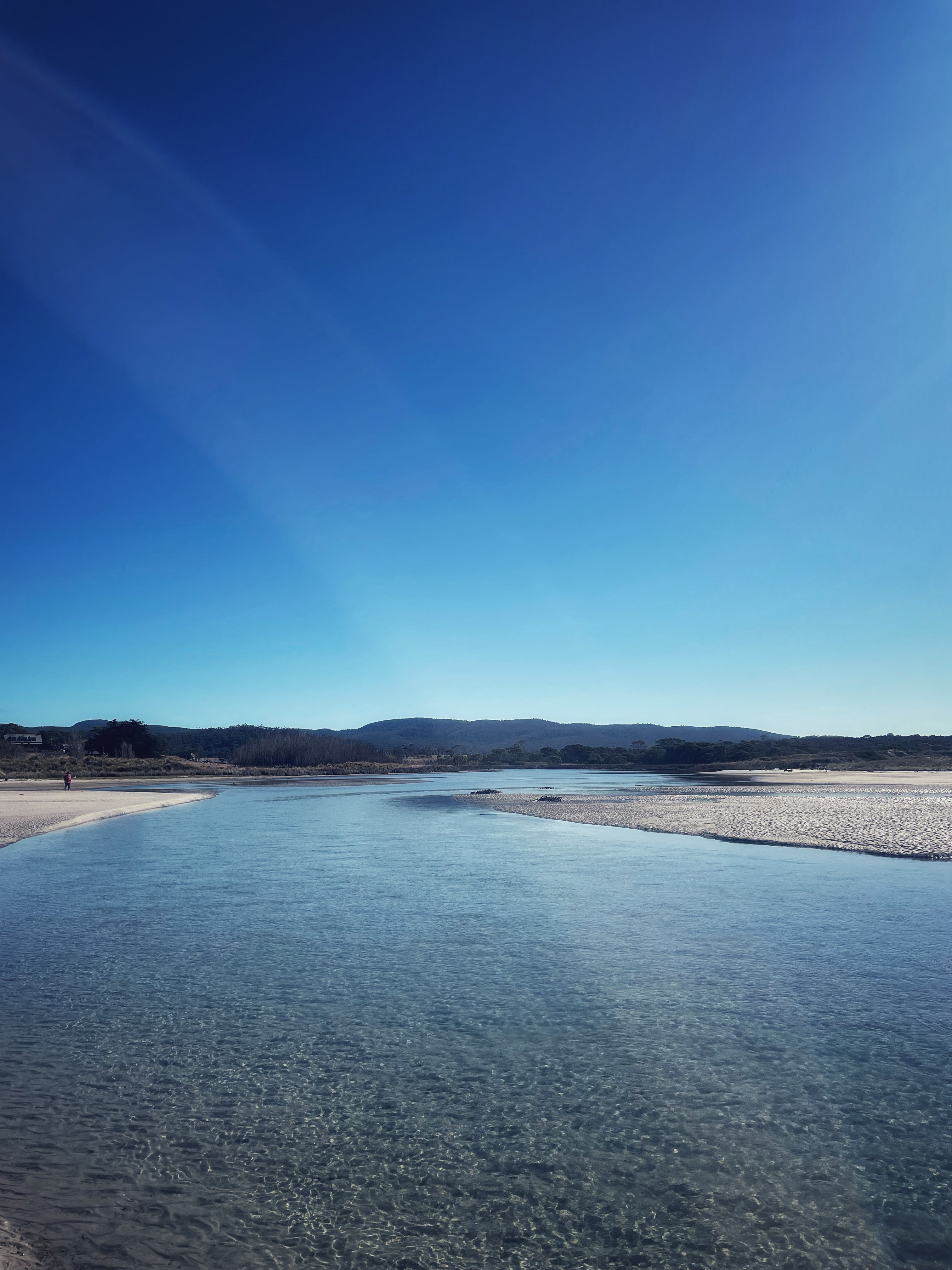
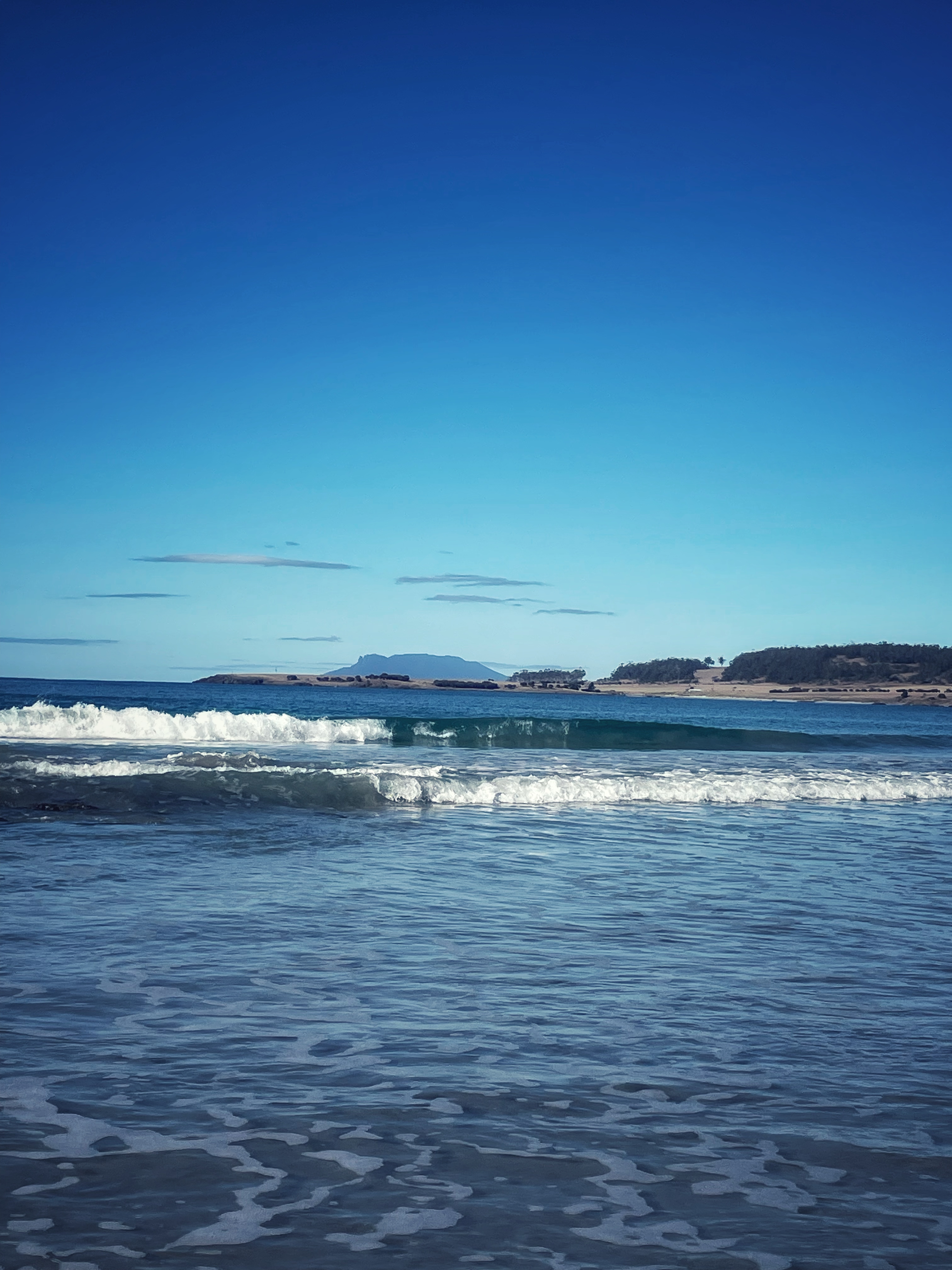
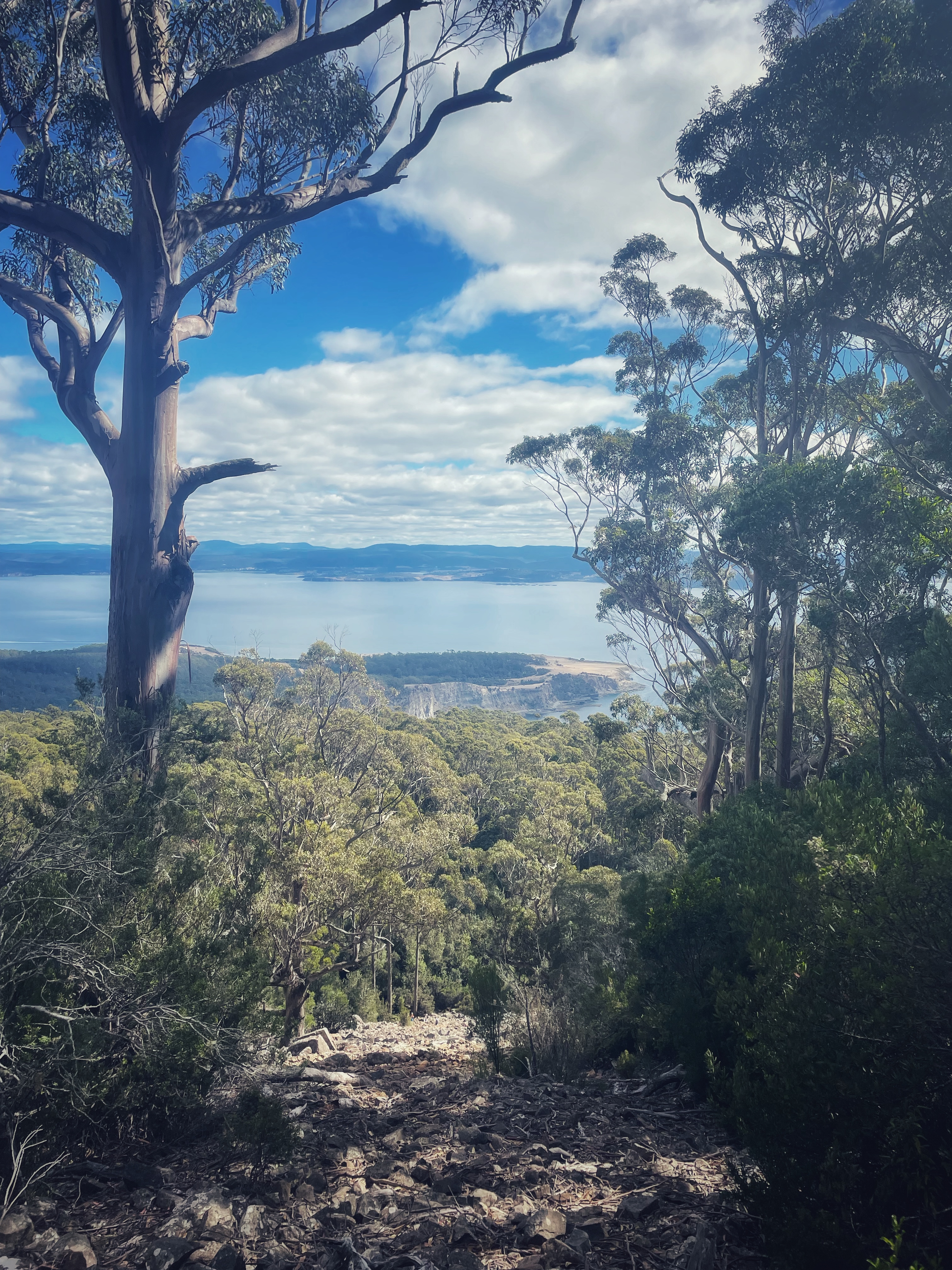
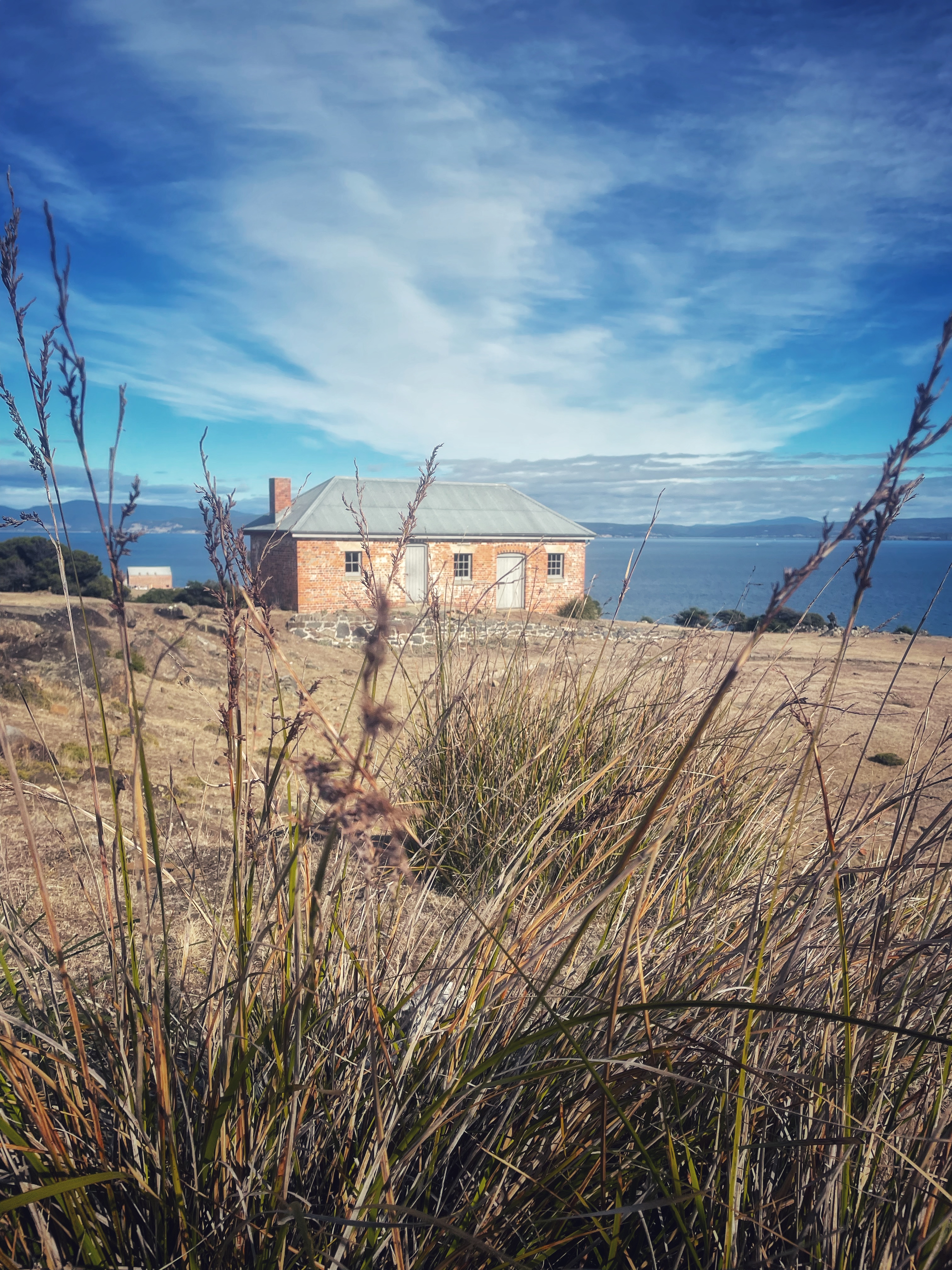
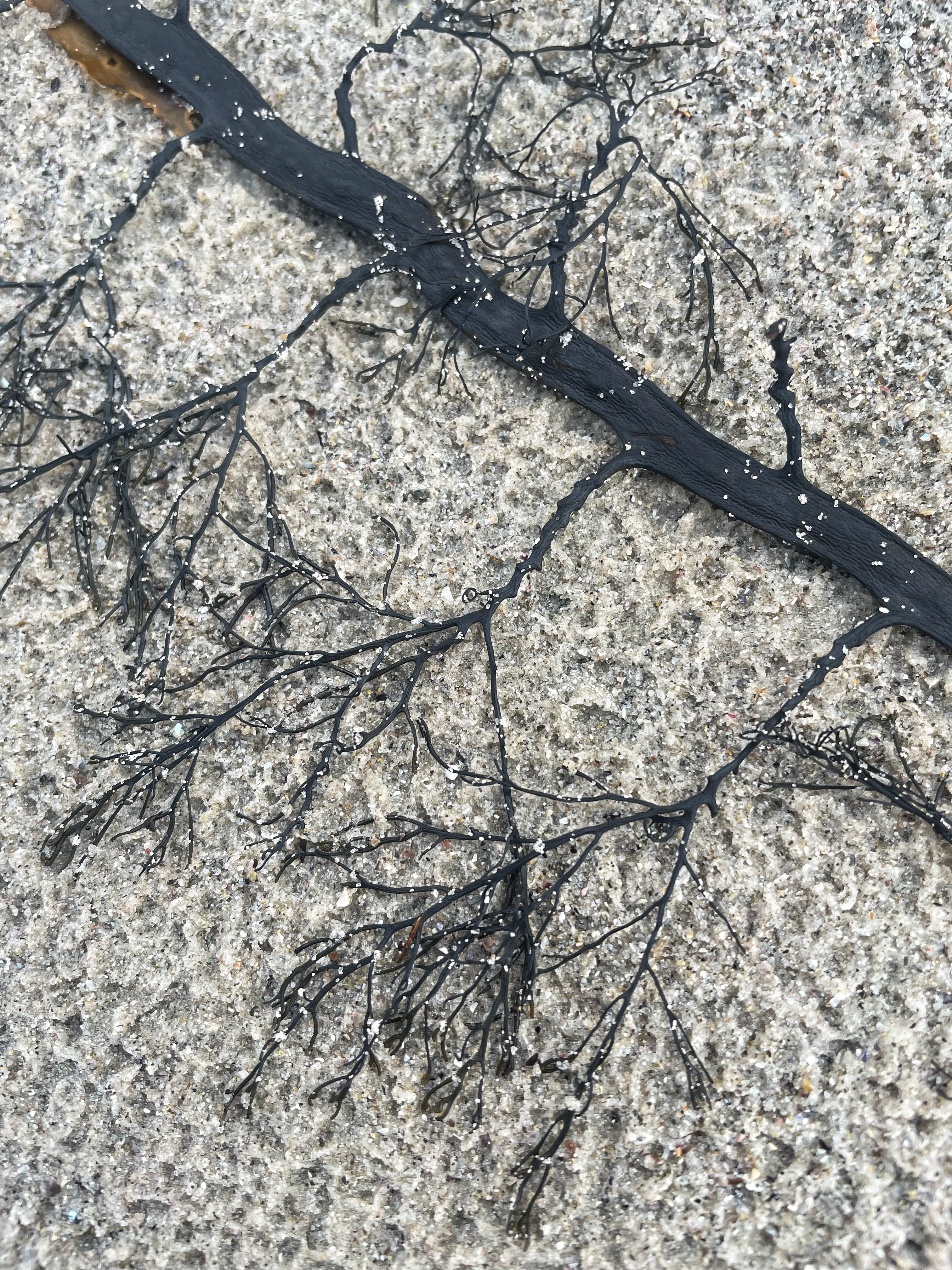
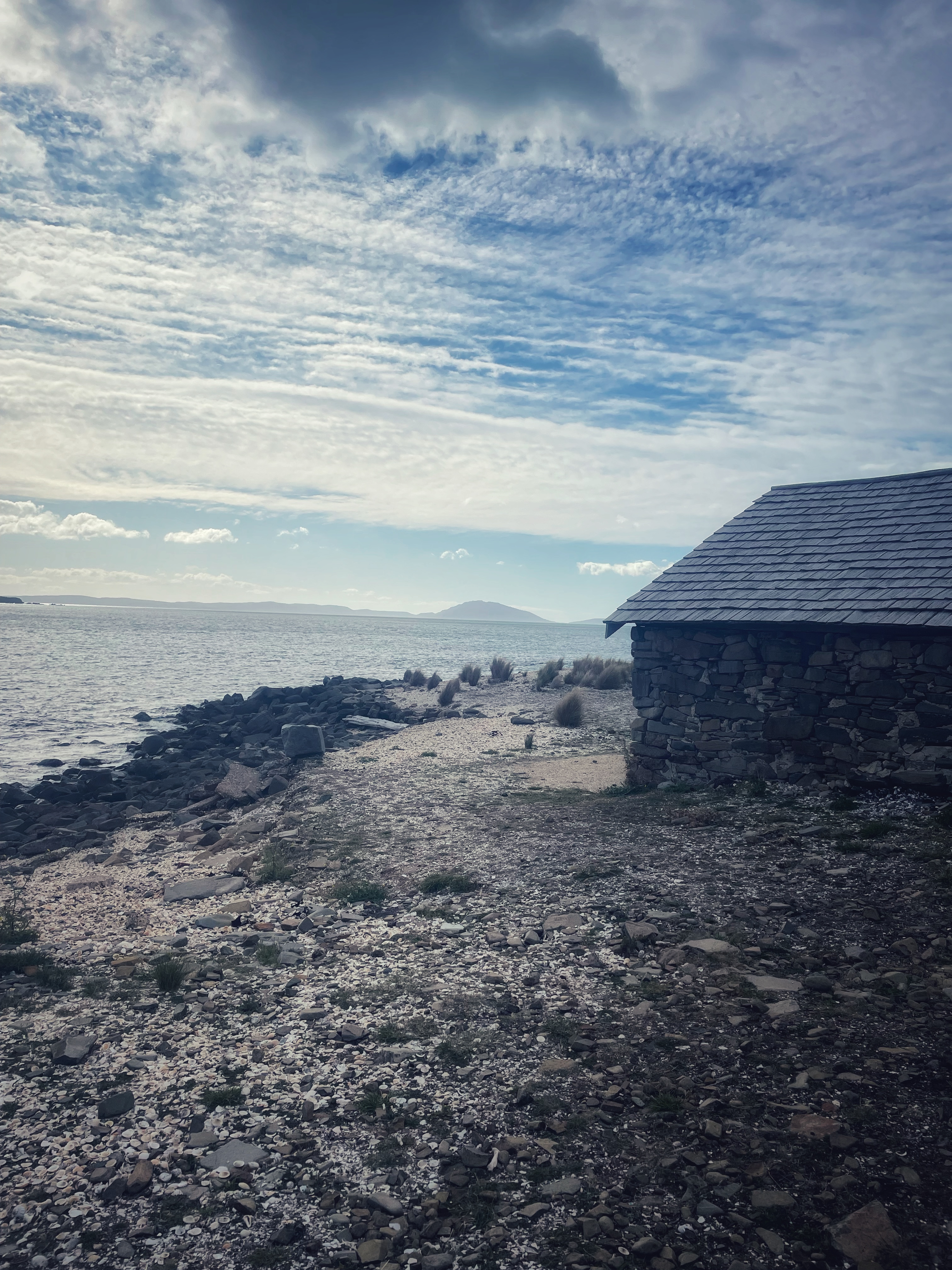
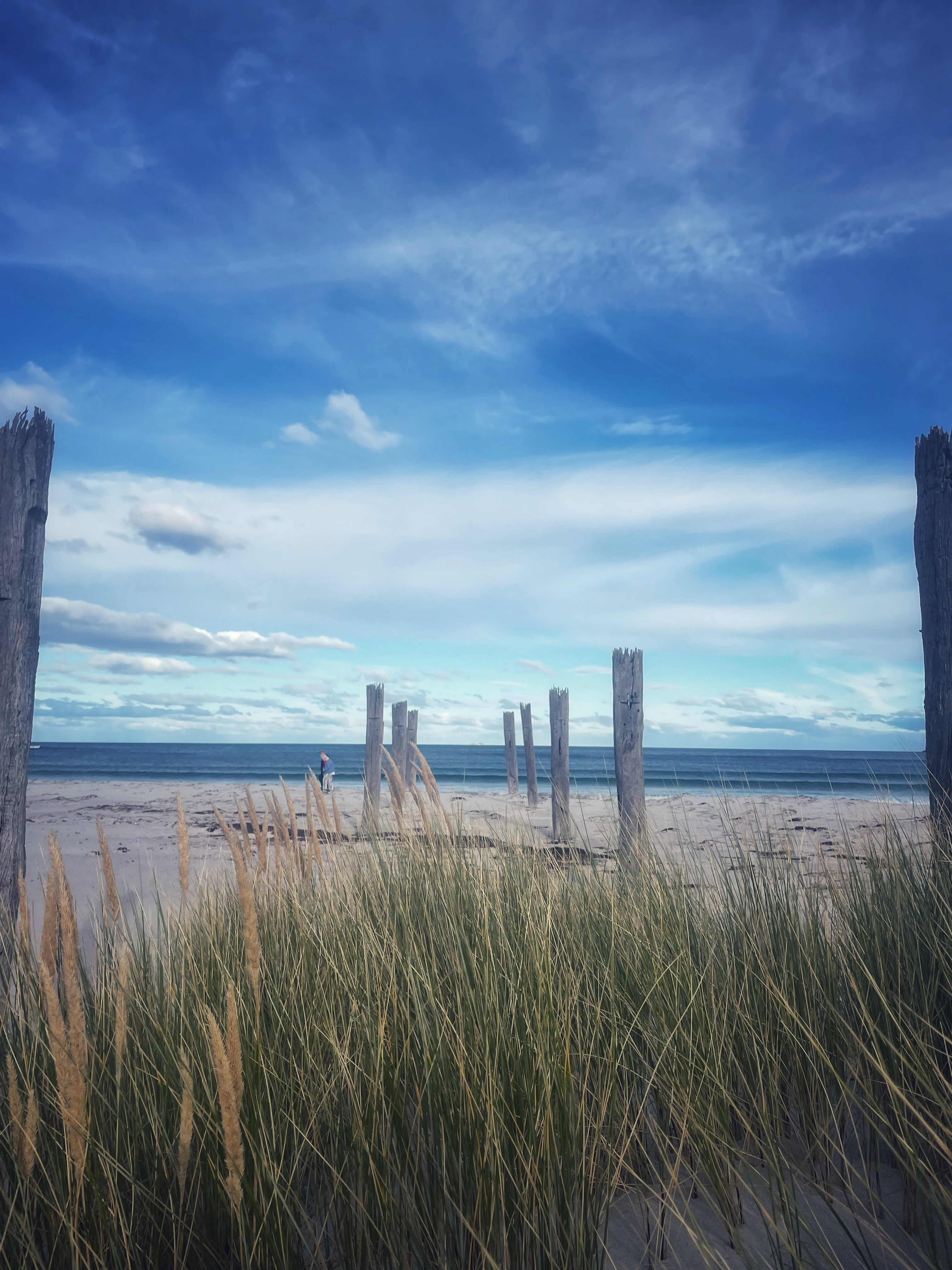
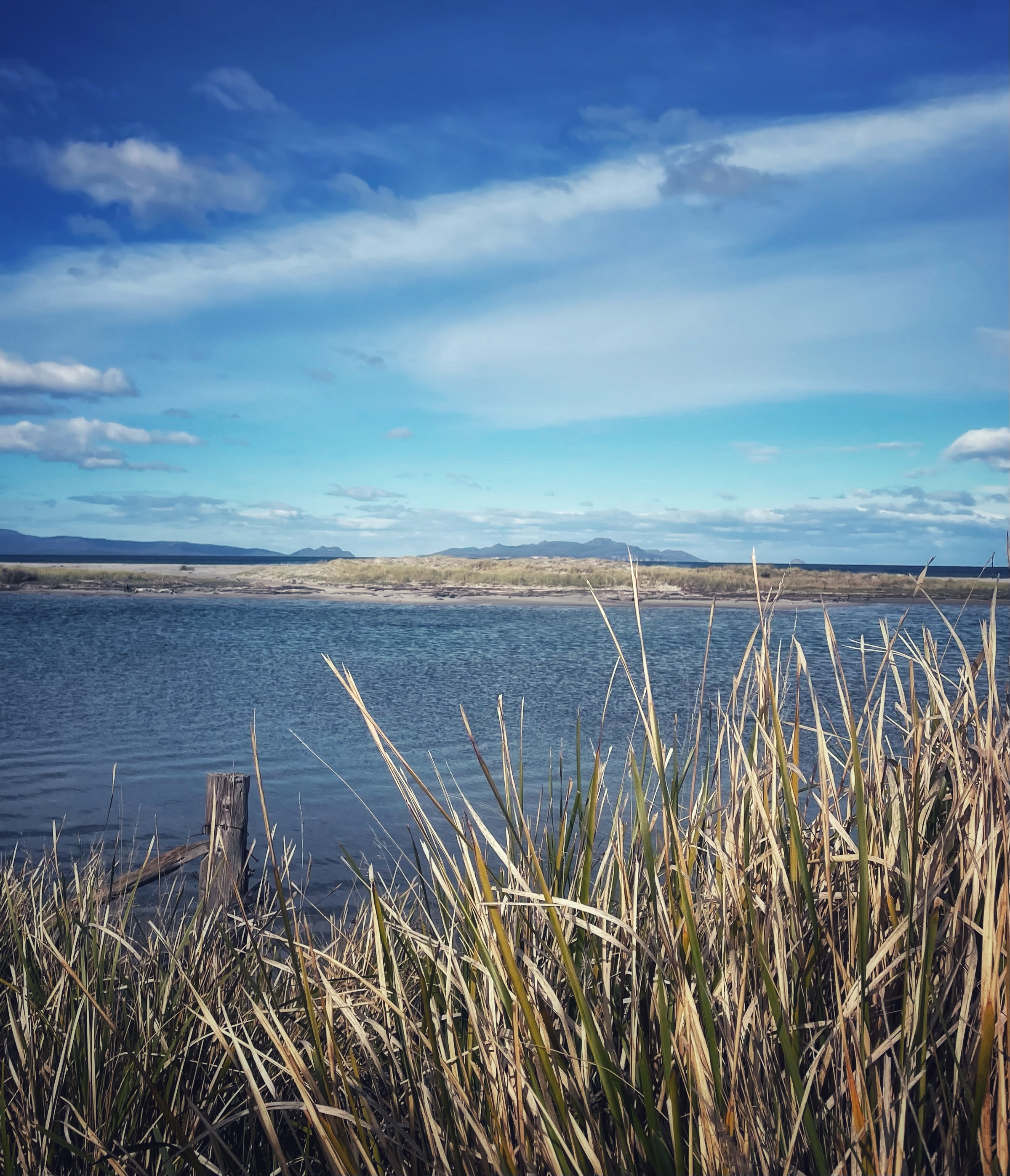
Below, I am sharing just a few of my favourite shots from this trip. They may not capture everything, but they offer a small glimpse into Tasmania’s magic.

Travelling encourages me to explore freely and follow what intrigues me without a fixed plan. Being away from daily life resets my mind and opens it to fresh inspiration. It stirs emotions—wonder, nostalgia, peace—that often fuel my creative process. These feelings stay with me long after the trip ends and eventually find their way into my future paintings.

If you have ever thought about visiting this beautiful island, let this be your sign to do it. Explore the coastlines, wander through the rainforests, breathe the fresh mountain air. You might just find a piece of yourself here—just like I did.

Until next time,

Kat

https://www.instagram.com/kitty_kitkatart/

Embrace the Bold: The Beauty of Creative Risk

“Painting is poetry that is seen rather than felt, and poetry is painting that is felt rather than seen.” – Leonardo da Vinci

Returning to my safe place—the canvas—I felt a spark, a pull towards something new. A quiet urge to break free from the familiar, to let go of restraint. This time, I wanted to be bold. To reach for colours I had never used, to experiment with new media, to embrace the daring and the unexpected. It was both exhilarating and terrifying—but that is the beauty of it.

Art has always been my refuge, but maybe now, it is also my way of breaking free. So, I let my instincts lead. No overthinking, no hesitating—just feeling, just creating. Maybe the colours would clash. Maybe the textures would not blend the way I expected. Maybe I would make a mess. But maybe, just maybe, I would discover something raw and real—something that spoke louder than perfection ever could.

This time, I did not hold back. I let the brush move the way it wanted to, let the colours drip and collide, let the canvas capture the energy I usually try to contain. I usually play it safe, sticking to the same colour palette. But this time, I felt like orange.

Orange. Bold, fiery, untamed. But what to pair it with? I just went for it. Swapped a few colours, layered different textures, adding depth and movement. I could have pushed further, maybe—but then, the canvas spoke. I am done.

That is the moment I wait for—the point where the painting tells me it is finished. And that, for me, is everything.

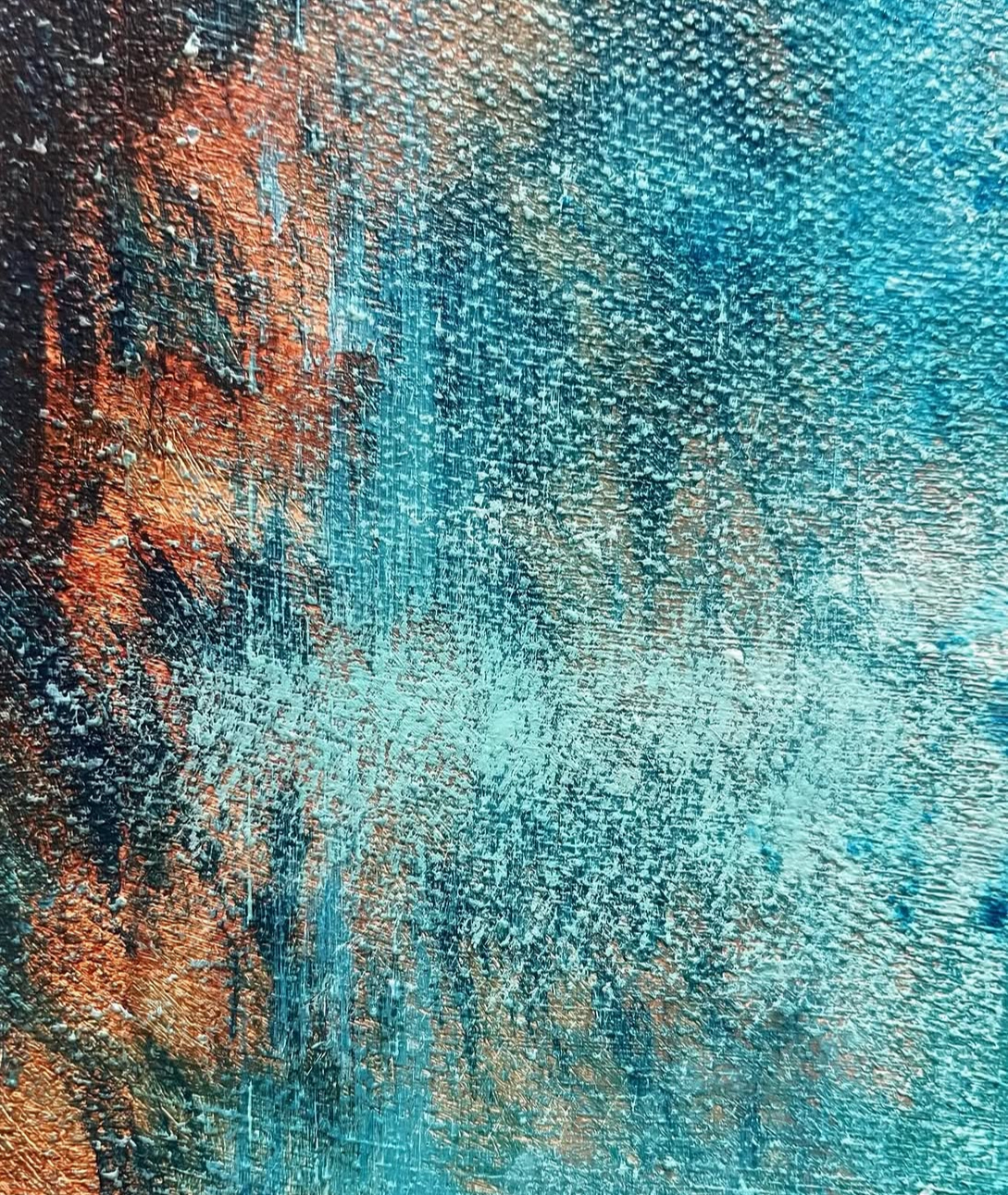
Comfort, 2025, 40x40cm, Mixed Media on Canvas

Stepping back, I took it all in—the clash of colours, the layers of texture, the energy that pulsed through every brushstroke. It was not perfect, but that was never the goal. It was raw, it was real, and it was mine. In that moment, I realised that art is not just about creating something beautiful—it is about letting go, embracing the unknown, and daring to see where it takes me. And maybe, just maybe, that is where the real beauty lies.

So, when was the last time you stepped beyond the familiar and let creativity lead the way?

Until next Time

Yours

Kat

https://www.instagram.com/kitty_kitkatart/

Exploring Indigenous Connection to Country Through Art

“The more you know, the less you need.

– Australian Aboriginal saying

Today, I had the chance to attend a talk and learn about the deep Indigenous connection to a nearby nature reserve. Since moving to Australia, I have come to understand just how important storytelling, songs, and connection to Country are in Aboriginal culture. This experience showed me how Indigenous traditions are passed down orally and visually—through songs, rock paintings, and symbols that carry deep meaning.

In Aboriginal culture, the land—often called Country—is more than just a place; it is a living, spiritual entity. Every rock, river, and tree is connected to ancestors, and art plays a big role in expressing this bond. Aboriginal paintings, carvings, and ceremonial designs are not just decoration—they are maps, messages, and records of history, keeping stories alive for tens of thousands of years.

Storytelling and art are closely connected, with many stories coming from the Dreamtime—the time when ancestral beings shaped the land and created laws. These stories aren’t written down but are passed on through songlines, ceremonies, and paintings, ensuring knowledge is shared while respecting sacred traditions.

But Aboriginal art isn’t only about the past—it is a living tradition that continues to grow while staying connected to the land, ancestors, and identity. Learning about this has given me a new appreciation for the richness of Indigenous culture.

This also makes me wonder—how can we use these ideas in our own culture? Aboriginal artists tell their stories, record history, and connect to their heritage through art. Maybe we can do the same by using abstract art to share our own experiences. We express the major events that shaped us. These be joyful or painful. They can be shared through color, shapes, and symbols. This tells stories that words sometimes can’t.

Art is a universal language, and by using abstraction, we can create something personal yet deeply meaningful.

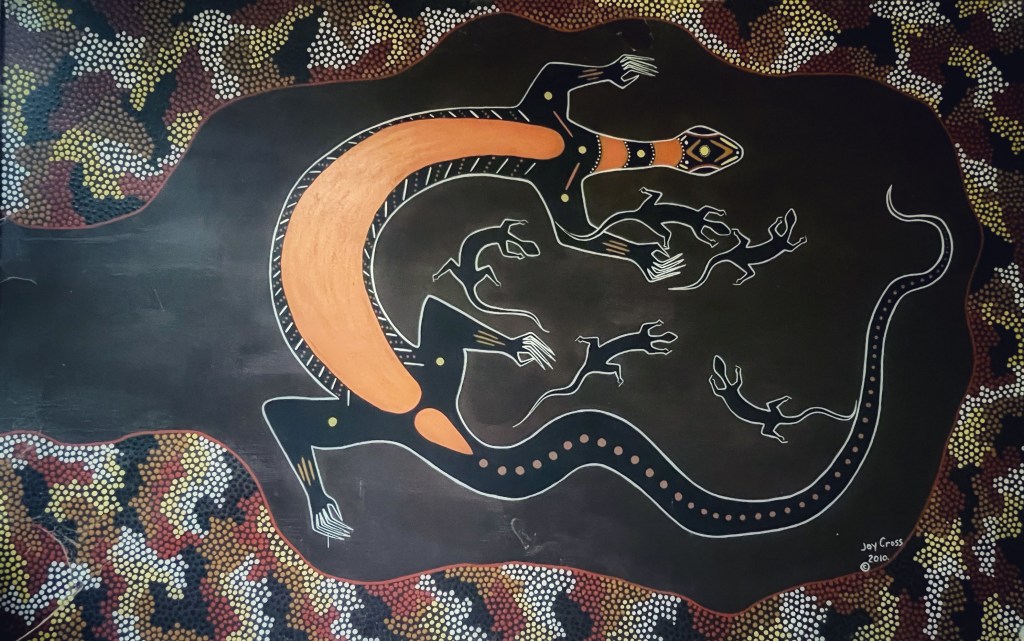
The photo below shows part of an artist’s story—her Mob’s totem and her family—which can be found in Tidbinbilla Nature Reserve, ACT.

Credit: Joy Cross, Tidbinbilla Nature Reserve, ACT

Thank you for taking the time to read! Now, if you will excuse me, my canvas is calling. Time to bring some stories to life through art!

Kat

https://www.instagram.com/kitty_kitkatart/

Rediscovering Art After a Break: Healing Through Creativity

“I don’t know anything with certainty, but seeing the stars makes me dream.” 
― Vincent Van Gogh

To be honest, I can’t even remember the last time I was on this platform. It’s been far too long. Life has been a whirlwind, pulling me in so many directions, and I kept telling myself, I’m too busy. It’s fascinating—and a little heartbreaking—how easily we find excuses to push aside the things that bring us peace.

I moved to an entirely new country, immersed myself in a culture so different from my own, explored breathtaking places, and found inspiration in ways I never expected. But somewhere along the way, I lost touch with myself. I didn’t realize just how exhausted I was—how much energy I spent pretending to be okay.

So, I reached for the one thing that has always been there for me: my paintbrush. The moment I touched the canvas, I felt it—how stiff my hands had become, how my mind was still trying to control every stroke instead of letting it flow. Frustration crept in, whispering doubts, but I didn’t stop. I kept going. And even though I still feel out of practice, I know I’m finding my way back.

There’s something incredibly healing about pouring all the heaviness onto a canvas, feeling the exhaustion settle in after a long painting session. I had forgotten how much I missed it—how much I needed it.

I’m still in the process of setting up my new creative space, shaping it into a place that feels like home. Right now, I’m watching my latest piece dry, already feeling new ideas bubbling up inside me. Gosh, I’ve missed this so much.

The painting you see below is one of the first I have created since my long break, and it holds so much meaning for me. It feels like a quiet conversation with myself, a step back into something I have deeply missed.

Thank you for stopping by, for sharing this moment with me.

Kat

https://www.instagram.com/kitty_kitkatart/

A random thought

It is looking at things for a long time that ripens you and gives you a deeper meaning. ”

– Vincent Van Gogh

How does art work? To this question, there is an amazingly simple answer. Art work is like medicine. If someone takes it on an empty stomach, it has a much more intense effect. If  you apply it to art, this means that art has the most intense effect when it is viewed without disturbances, expectations, and stress. 

All that sounds simple, but the implementation turns out to be difficult. Because everyone has a certain idea of what art should be and how it should work. Maybe it helps not to declare art as such, without the label the art could be part of reality. By looking at it without prejudice, art can stimulate very different areas of consciousness.

Art, especially painted art, has a noticeable effect on the viewer. But this effect does not come from the work of art itself, but rather from the viewer. Looking at a picture is like looking in the mirror. The mirror shows an objective message; only through the thoughts, feelings, and expectations of the viewer does an evaluation come about. It’s the same with a work of art. A black image can make the viewer sad. Instead of lamenting how sad the black picture makes, one could instead ask why the viewer feels that way or why the painter painted the picture that way. The saddening effect is not the problem of the picture but results from the experiences and expectations of the person looking at the picture.

However, art can influence people not only when they look at it. Art can be an opportunity to be creative and find a way to express feelings, work through conflicts, build self-confidence or cope with difficult times in life.

A work of art can trigger a variety of feelings in the viewer. The facets range from disgust and joy to pleasure and interest to fascination. Several factors play a role in this. On the one hand, of course, there is the content and motif of the work of art, but also the mood of the viewer, their experiences and how familiar they are with art. An artist’s level of awareness and market value also influence perception. Average viewers prefer representational art. However, the more they engage with abstract art, the more they learn to appreciate it. In this context, the psychology of perception has had an impact in recent times.

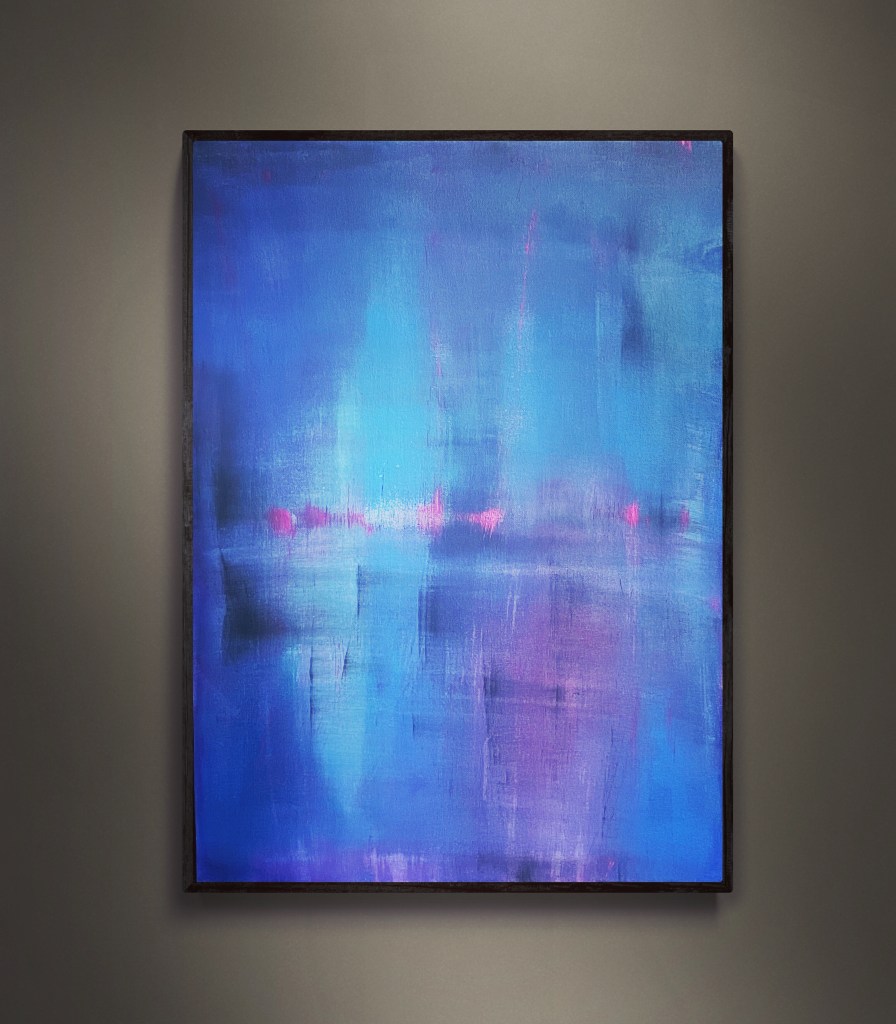
This painting was only done last week. I didn’t really have a plan, I just tried to let the colours do the talking. Comments about the painting are very welcome. Have a nice time and see you soon.

Kat 

https://www.instagram.com/kitty_kitkatart/

Abstract Art: Yay or Nay?

“Normality is a paved road: It’s comfortable to walk, but no flowers grow on it.” 

― Vincent van Gogh

Contemporary Art consists of many different genres and one of those, much to the distaste of some, is Abstract Art. But despite the distaste and misunderstanding, Abstract continues to grow in a variety of forms throughout our popular culture. 

To understand Abstract, one needs to understand that it is a preferential form of art. To explain, everyone has preferences for certain genres of art, including the Artists themselves. Rather than displaying images commonly familiar to the onlooker, abstract lets the viewer see exactly what they want to see. It gives the observer a steppingstone into a vast world of imagination.

What abstract is not is a singular explanation or narrative. You might see what the artist can also see, or you see something entirely different and the same applies for other onlookers too, and that’s okay. The important thing to understand about abstract is that it does not have to have a singular explanation.

Abstract is purely subjective yet totally enjoyable. Does everyone enjoy this form of art? No. Creativity is a beautiful release of emotions and expression. Artists harness those emotions and put them to a canvas or in any other form of expression.

The main purpose of abstraction is not to tell a story, but to encourage involvement and imagination. The art is mostly about providing its viewers with an emotional experience – more often than not, the experience is completely different for every individual depending on their personality and state of mind. Abstract paintings can also be appreciated in terms of the individual elements of art: color, shape, line, texture, space, value, etc. An abstract artist’s skills lie in his or her ability to use colors and textures to their best visual strength and to create a sound composition from these elements.

Realising that there are different ways to approach and criticise art is important when attempting to understand abstraction. It is easy to appreciate a Van Gogh or a Rembrandt, as the mastery of technique is visible. However, in order to appreciate abstraction, our focus should not be on how realistically the artist has painted something or someone but rather on how successful a piece is in evoking emotion. 

As I mentioned previously, I am inspired by the idea of painting moods, feelings, and atmosphere. My creative process is straightforward. I develop an idea or a picture in my mind that I try to translate into a painting. I tend to go back to ideas and imagery that have influenced my work and try to reinterpret it with different aspects. I am very much aware that not every idea I have will translate to canvas the way I want. For me that’s a part of being an artist. 

On a personal note, I would like to thank you for following my blog and especially to those whose encouragement and support means so much. My posts, indeed, my art is released sparingly, like everyone I too have life challenges that occupy too much of my time, but your continued interest is very much appreciated. Below are some photos I hope to seek inspiration from for my next paintings.

Until next time, 

Kat. 

https://www.instagram.com/kitty_kitkatart/

Seeking inspiration – part two

“There are two ways of spreading light: to be the candle or the mirror that reflects it.”  – Edith Wharton


My artistic inspiration comes mostly from my emotions and experiences throughout my life. My aim is not to please others with my paintings but rather to express myself. There is a reason why I do not explain my paintings, I am merely interested in what the viewer sees in them. I find their views to be fascinating.


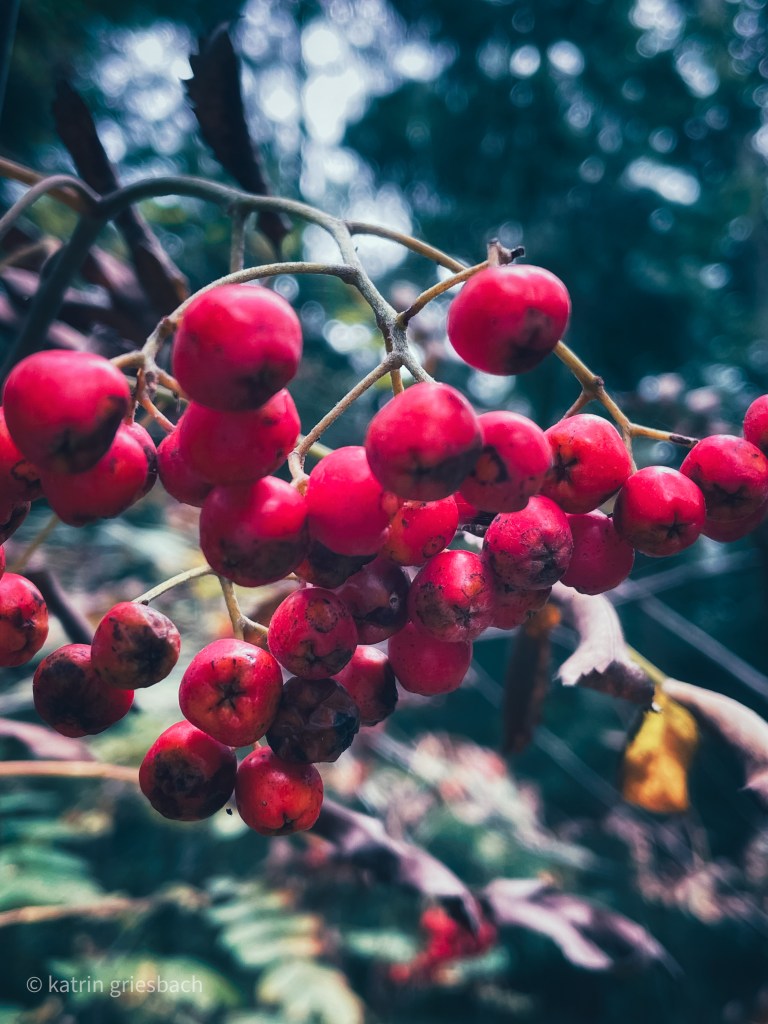
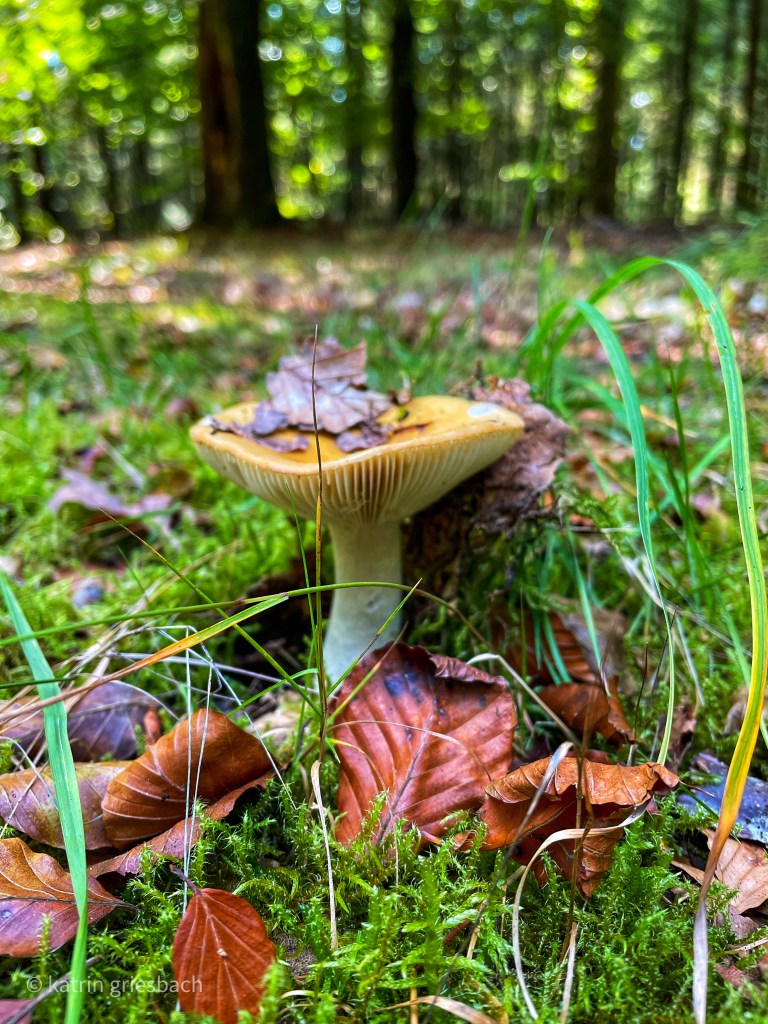
Mother Nature is also a source of inspiration. Within nature itself one can see a stunning array of abstract colours, lines, textures, and shapes, I particularly enjoy my walks during the Autumn months. I am in awe of Mother Nature’s ability to apply saturated colours to our surroundings as well as the feeling of melancholy to a degree. The two photos below are good example for “Autumn”.


The question remains, “How do you know when there is enough inspiration?”
When, and for how long, should you dedicate yourself to seeking out inspiration for your creative work, versus when should you know that you’ve seen enough inspiration to get started creating?
You could spend more than half of your work time seeking out inspiration and exploring options for what it is you want to create, but that won’t do you any good if you aren’t finding the time to create something. Additionally, you can’t expect to create something truly great without first understanding other ideas in the same realm of what it is you’re creating.


As a creative: you must be able to think on your own, to formulate your ideas. But the best way to come up with something original is to combine inspiration. In fact: all ideas are a result of combining other ideas, naturally in the brain.
To know when you should stop seeking inspiration and just get to work takes effort. You have to continuously keep that in mind to be creative.


There are going to be days when you waste time seeking out inspiration, scrolling endlessly through photos you have taken or looking at another painter’s work. That’s ok, you’re also going to experience times when you dive into a project and realise you have no idea what you’re doing, that a bit of inspiration would have gone a long way. That’s ok too. Both situations are the perfect opportunity to learn what’s the right amount of inspiration for you.


The real key is to realise when you’re tricking yourself into believing you need inspiration or not. That’s something you must hone over time. Fortunately, you can start today, right now. As you’re reading this article, ask yourself, “Am I just wasting time when I should be creating or experimenting instead?”
If, at any time of the day, the answer to that question is “No” or “Maybe”, then close all distractions around you, lock yourself in a room, and get to work. 

Time out

“I put my heart & soul into my work, & have lost my mind in the process.

– Vincent Van Gogh

At first, I didn’t want to take a break. I did not have time for a break. I tried to ignore the little voice in my head that kept whispering that I need to stop, rethink, and reconsider. It is when we feel like we do not have the time is when we need a break the most.

After weeks of trying to push through the nagging feeling that I might be running in the wrong direction, I finally listened to my inner voice and decided to hit pause. Then weeks led into months, and I created nothing.

Out there in the big bad world my job can be at times, challenging, demanding and stressful. I was too exhausted to create anything once I reached home from my daily grind, and thus I postponed my painting time to the next day and so forth until my creative mind became flooded with inactivity.

While I desperately needed a break and enjoyed taking a step back, I missed creating so much. Suddenly I didn’t have an outlet for my emotions and thoughts in my life and I found myself frustrated at times, longing to let out that creative energy. I need creativity to live my life to the fullest, that I realised.

I never considered to stop creating, but before my break, my energy was running low, and I realised I needed to rethink my creative life. It was a relief to miss my creativity. Just like in relationships, distance, and longing, they have given me back my spark that had grown so weak from my busy work life.

I dedicated more time to nourish my creativity. I went on a trip to Berlin to visit an exhibition called the Van Gogh – The Immersive Experience, and what an experience that was. To this day I still feast on this experience. I connected with art again and learned so much about the great artist: Vincent van Gogh.

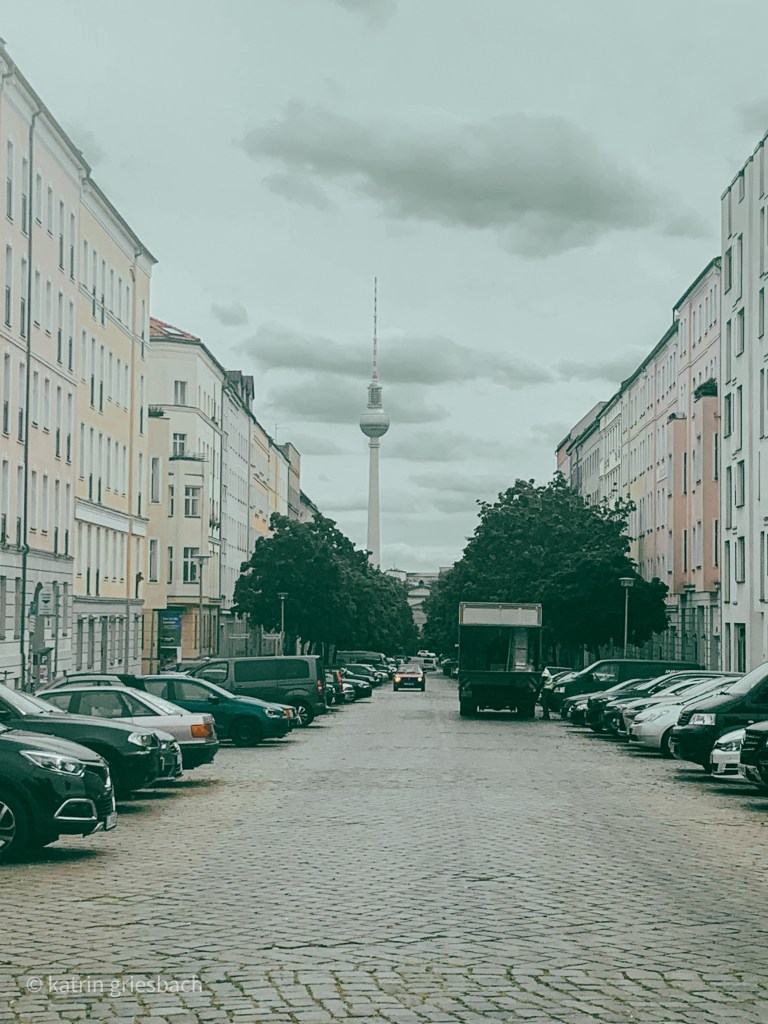
From this experience, I have drawn the energy to start a few new paintings and I also picked up my camera once more. The photo below is a marvellous example of that reconnection. I went for a walk on a sunny day, not to take photos but to look out for some opportunities to take photos if that makes any sense. Like the saying goes, ‘seek, and ye shall find.’

Keep in mind, your path is constantly changing and that is more than ok. I took this break, whether voluntary or involuntary, with the knowledge that some things need to change. I knew I need to ask myself some hard questions and I wasn’t sure what answers I would find.

To reconsider a part of your life that you love is scary. But to not change when a change is needed is a recipe for disaster. It’s okay to ask yourself whether you want to keep going in the same direction. It’s okay to change your mind about something you love.

If you’re not adjusting your course as you go, there’s a risk you’re going in a direction that isn’t right for you anymore. Don’t keep going just because it’s what you once decided.

I think we all agree in saying: creativity takes mind power and energy isn’t infinite. We need to recharge and relax to stay happy, healthy, and creative.

Kat