“Normality is a paved road: It’s comfortable to walk, but no flowers grow on it.”
― Vincent van Gogh
Contemporary Art consists of many different genres and one of those, much to the distaste of some, is Abstract Art. But despite the distaste and misunderstanding, Abstract continues to grow in a variety of forms throughout our popular culture.
To understand Abstract, one needs to understand that it is a preferential form of art. To explain, everyone has preferences for certain genres of art, including the Artists themselves. Rather than displaying images commonly familiar to the onlooker, abstract lets the viewer see exactly what they want to see. It gives the observer a steppingstone into a vast world of imagination.
What abstract is not is a singular explanation or narrative. You might see what the artist can also see, or you see something entirely different and the same applies for other onlookers too, and that’s okay. The important thing to understand about abstract is that it does not have to have a singular explanation.
Abstract is purely subjective yet totally enjoyable. Does everyone enjoy this form of art? No. Creativity is a beautiful release of emotions and expression. Artists harness those emotions and put them to a canvas or in any other form of expression.
The main purpose of abstraction is not to tell a story, but to encourage involvement and imagination. The art is mostly about providing its viewers with an emotional experience – more often than not, the experience is completely different for every individual depending on their personality and state of mind. Abstract paintings can also be appreciated in terms of the individual elements of art: color, shape, line, texture, space, value, etc. An abstract artist’s skills lie in his or her ability to use colors and textures to their best visual strength and to create a sound composition from these elements.
Realising that there are different ways to approach and criticise art is important when attempting to understand abstraction. It is easy to appreciate a Van Gogh or a Rembrandt, as the mastery of technique is visible. However, in order to appreciate abstraction, our focus should not be on how realistically the artist has painted something or someone but rather on how successful a piece is in evoking emotion.
As I mentioned previously, I am inspired by the idea of painting moods, feelings, and atmosphere. My creative process is straightforward. I develop an idea or a picture in my mind that I try to translate into a painting. I tend to go back to ideas and imagery that have influenced my work and try to reinterpret it with different aspects. I am very much aware that not every idea I have will translate to canvas the way I want. For me that’s a part of being an artist.
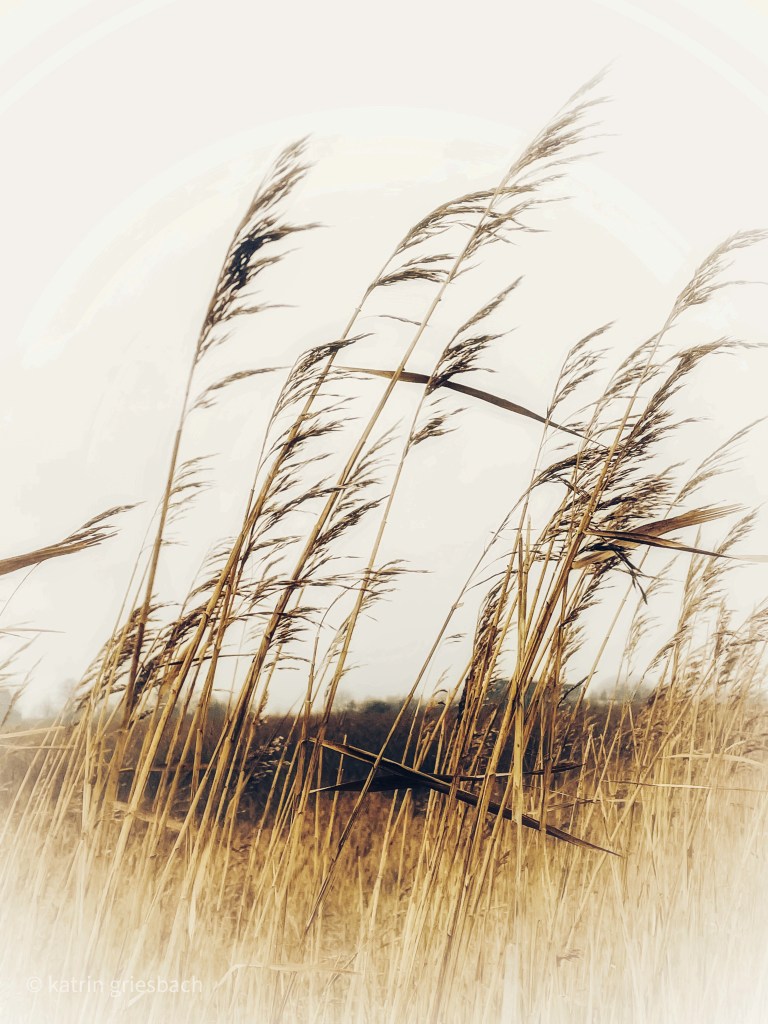
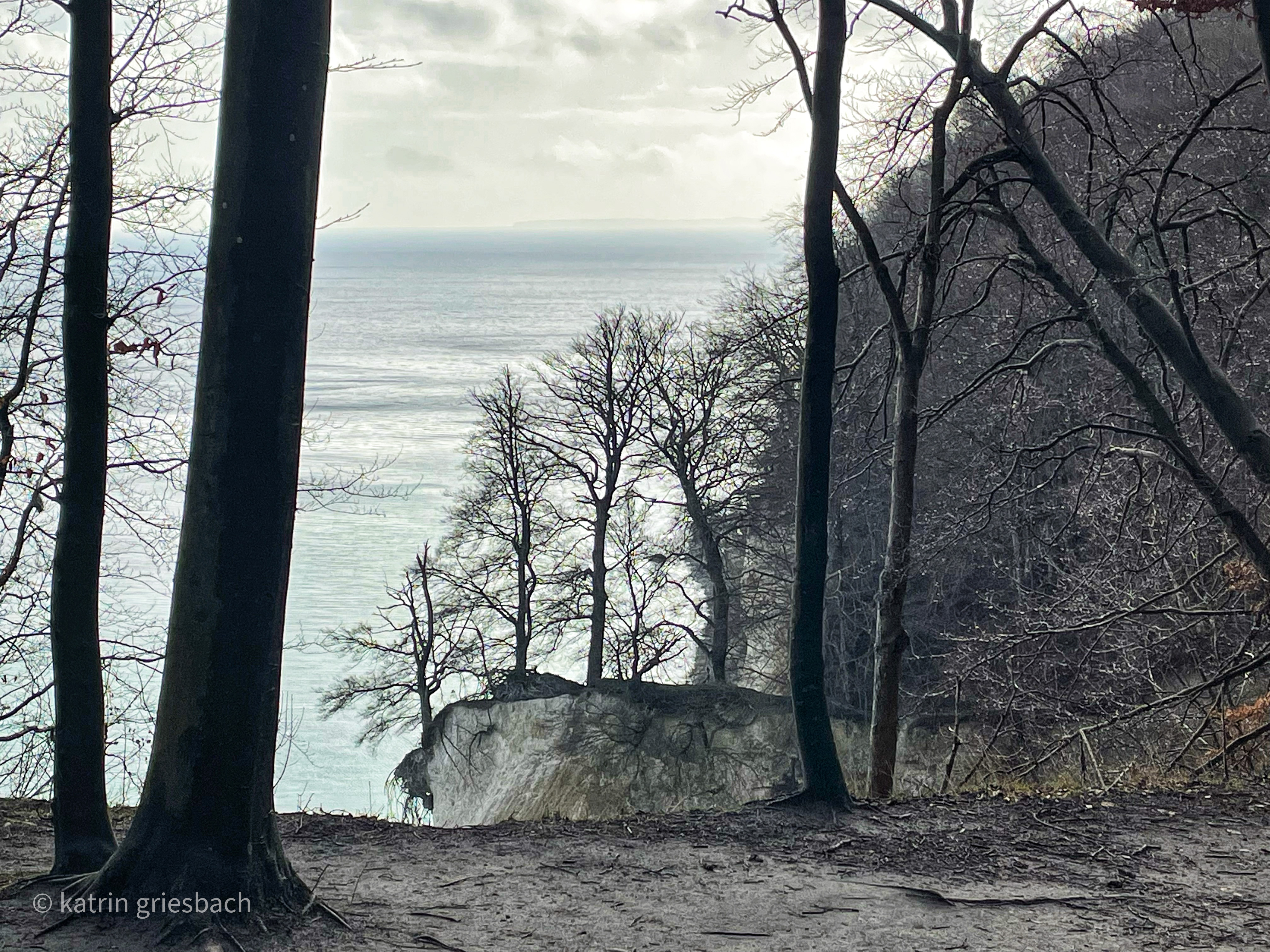
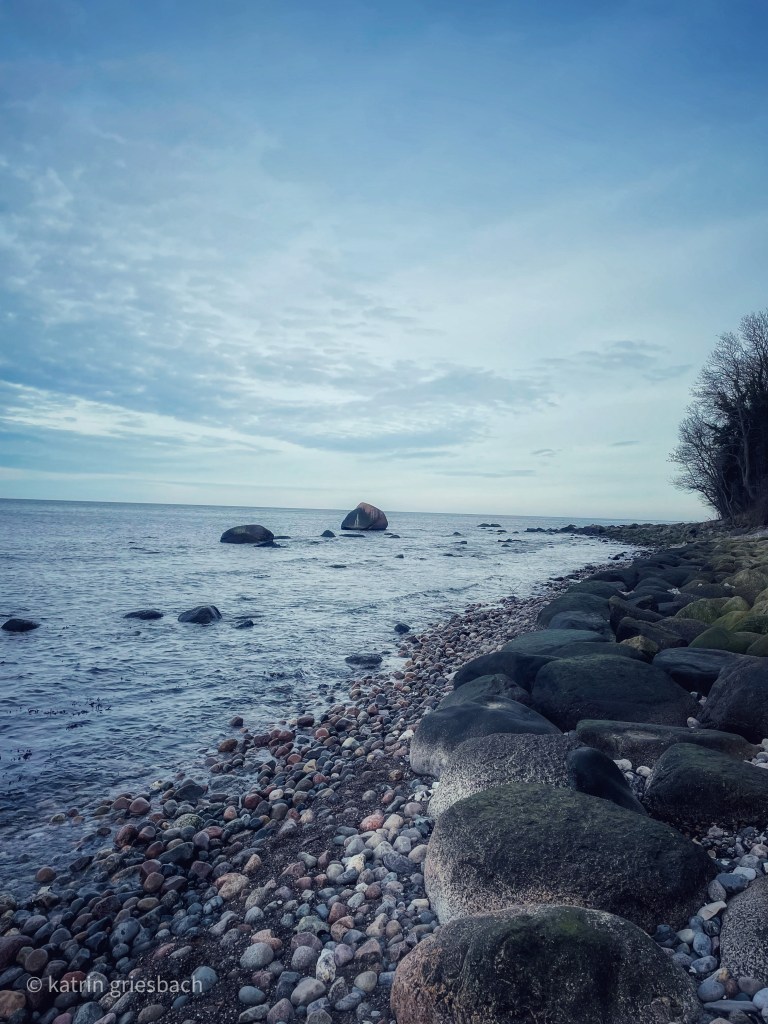
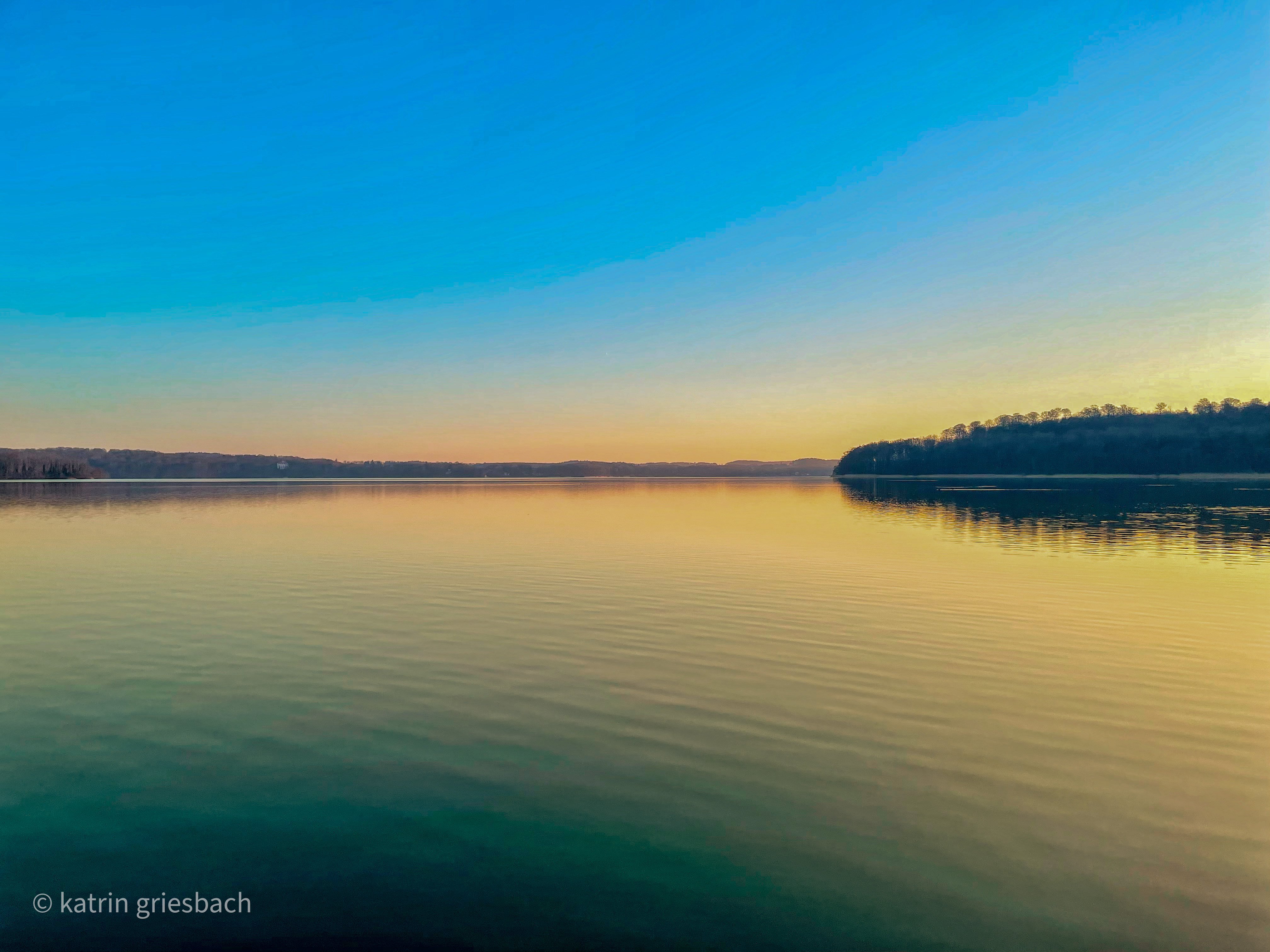
On a personal note, I would like to thank you for following my blog and especially to those whose encouragement and support means so much. My posts, indeed, my art is released sparingly, like everyone I too have life challenges that occupy too much of my time, but your continued interest is very much appreciated. Below are some photos I hope to seek inspiration from for my next paintings.
Until next time,
Kat.
 KitKatArt